
Last updated November 15, 2026
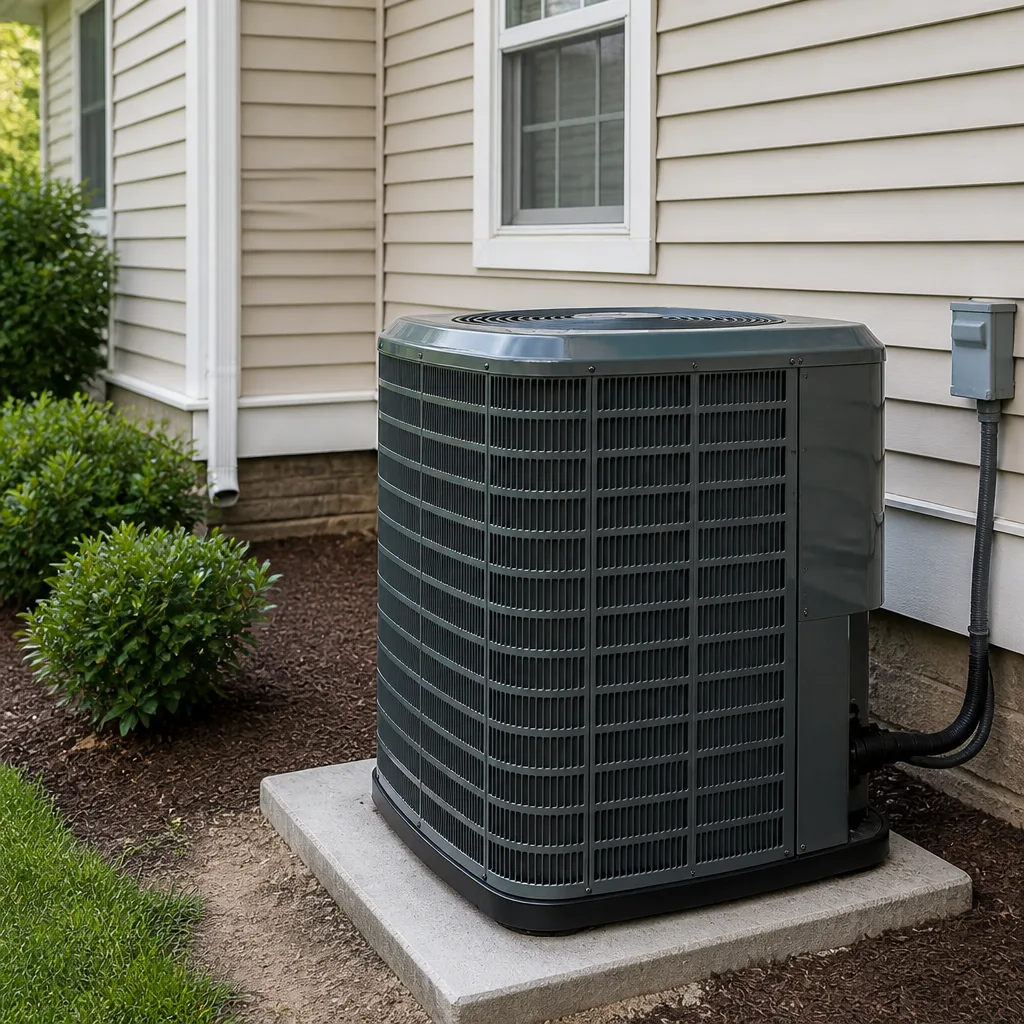 AC repair
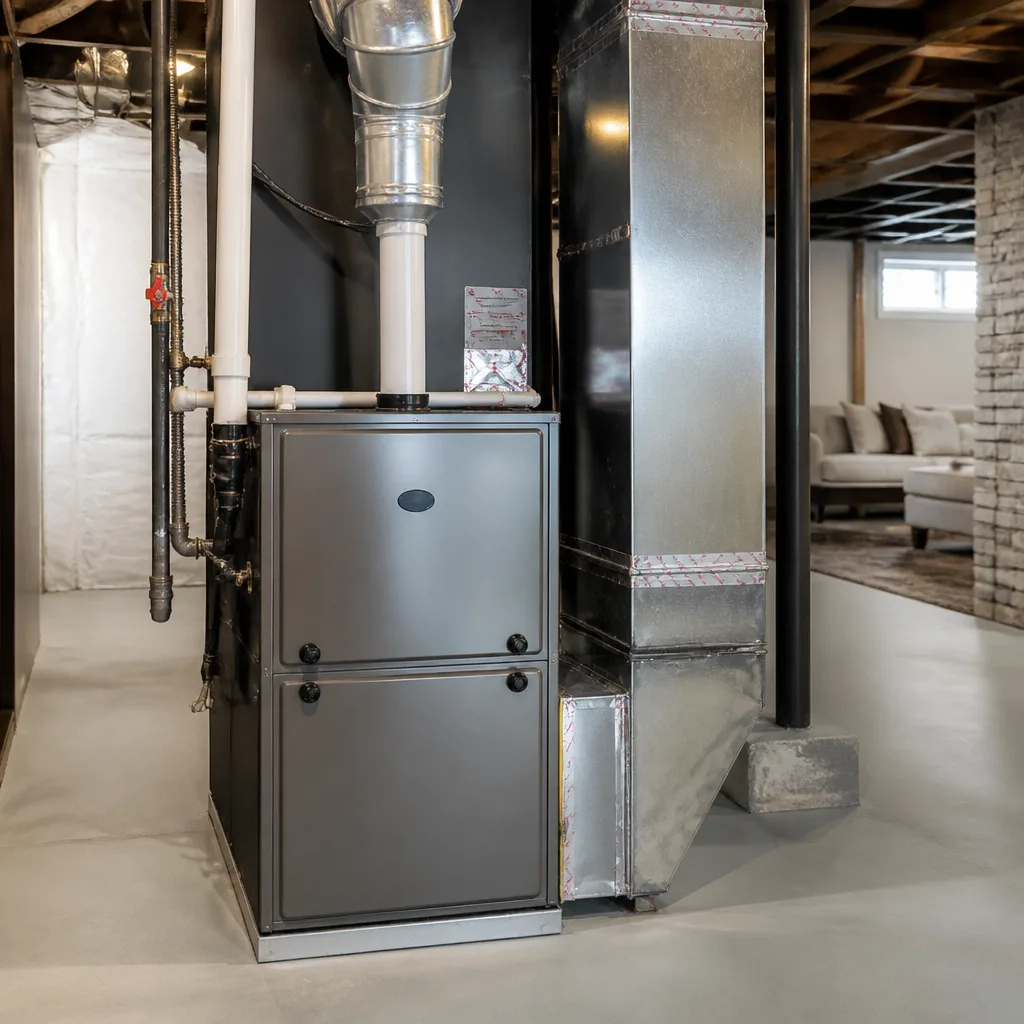 Furnace & heating
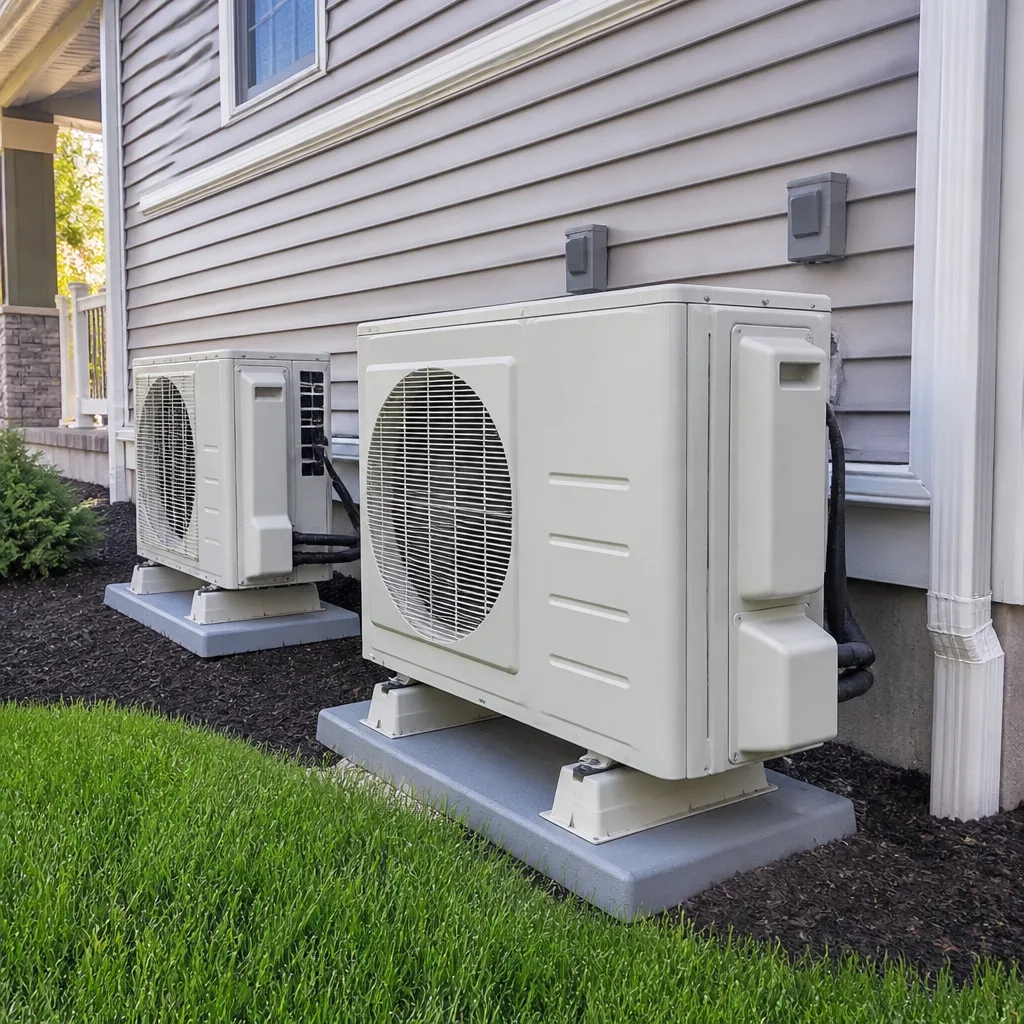 Heat pumps
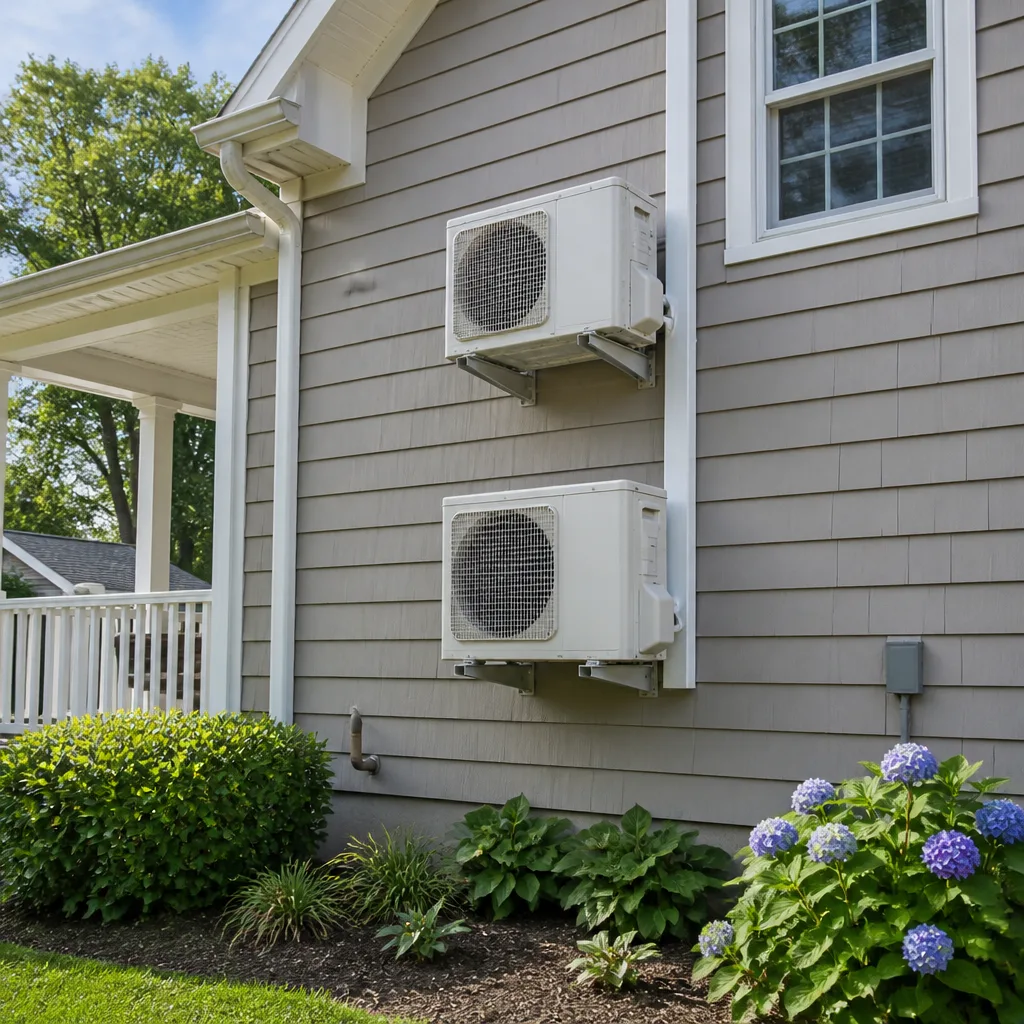 Ductless mini splits
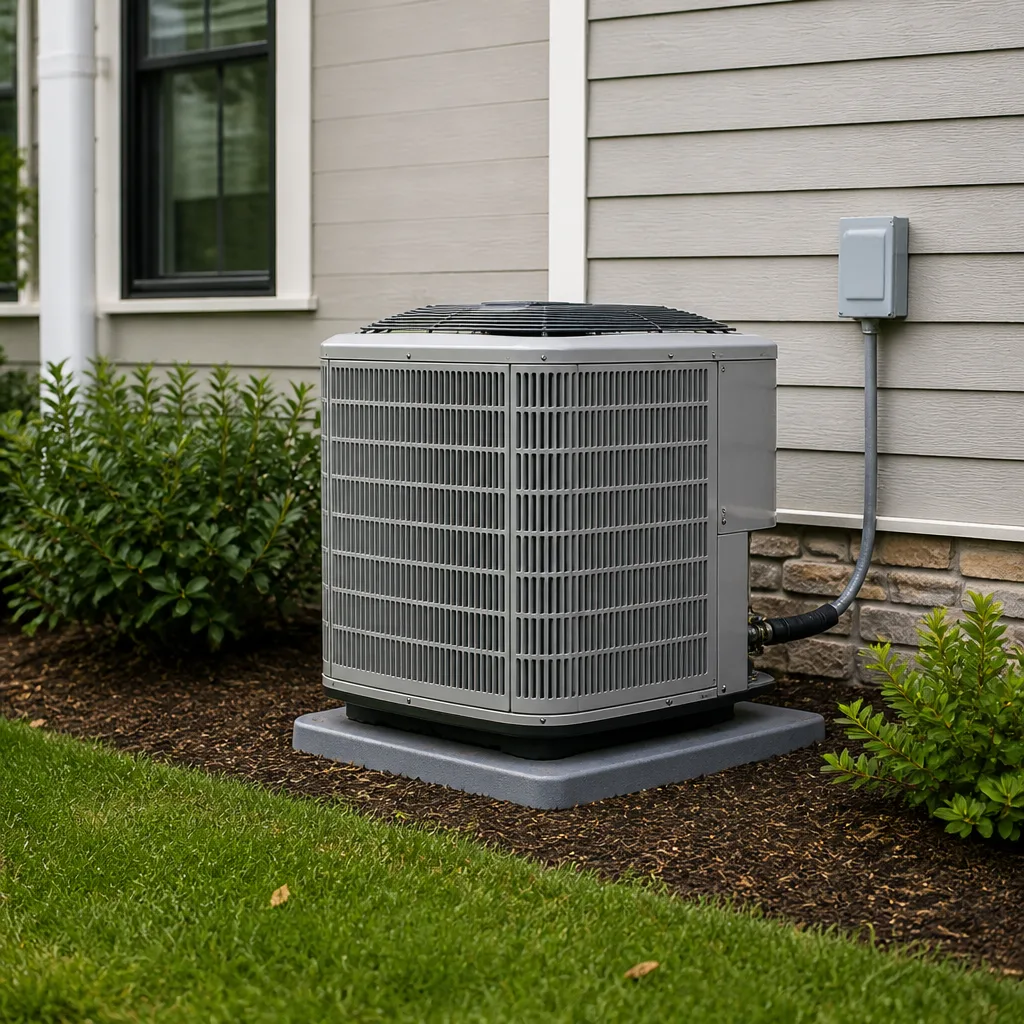 Carrier
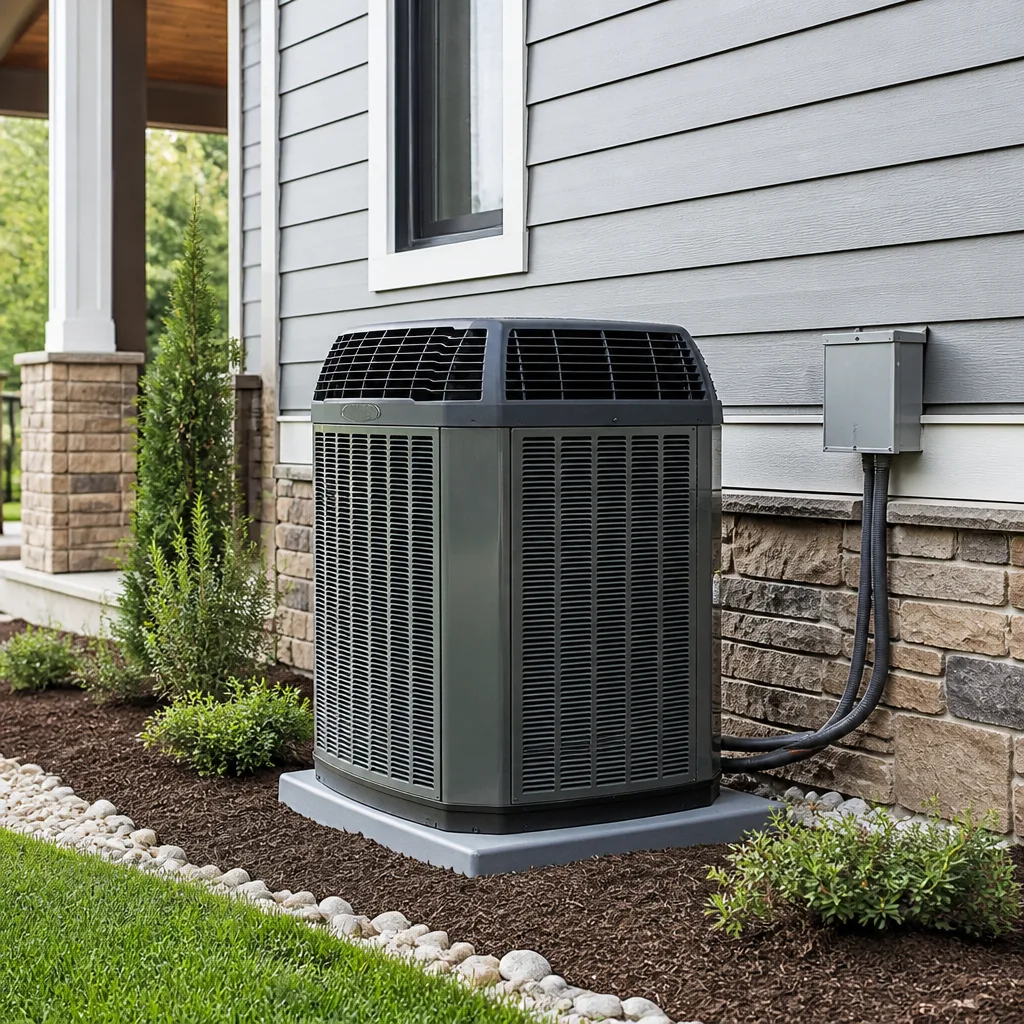 Trane
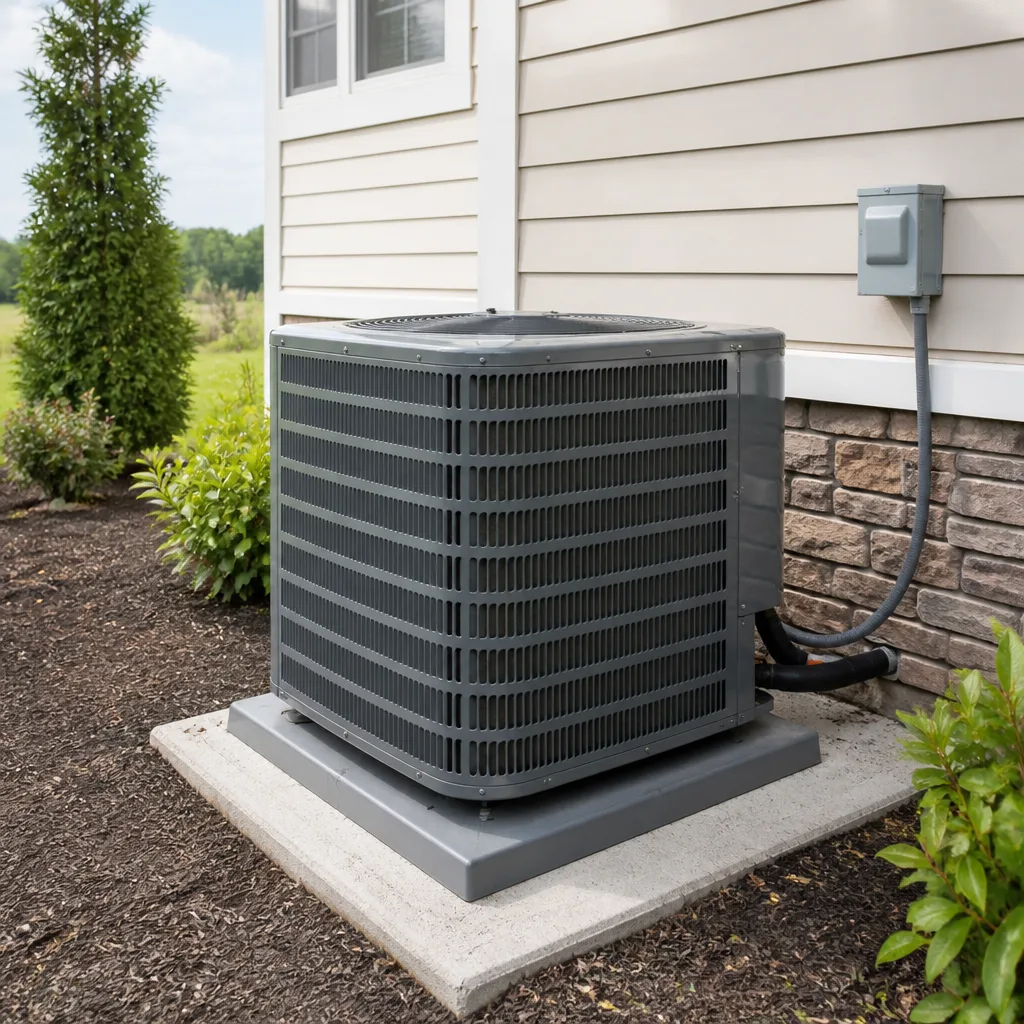 Goodman
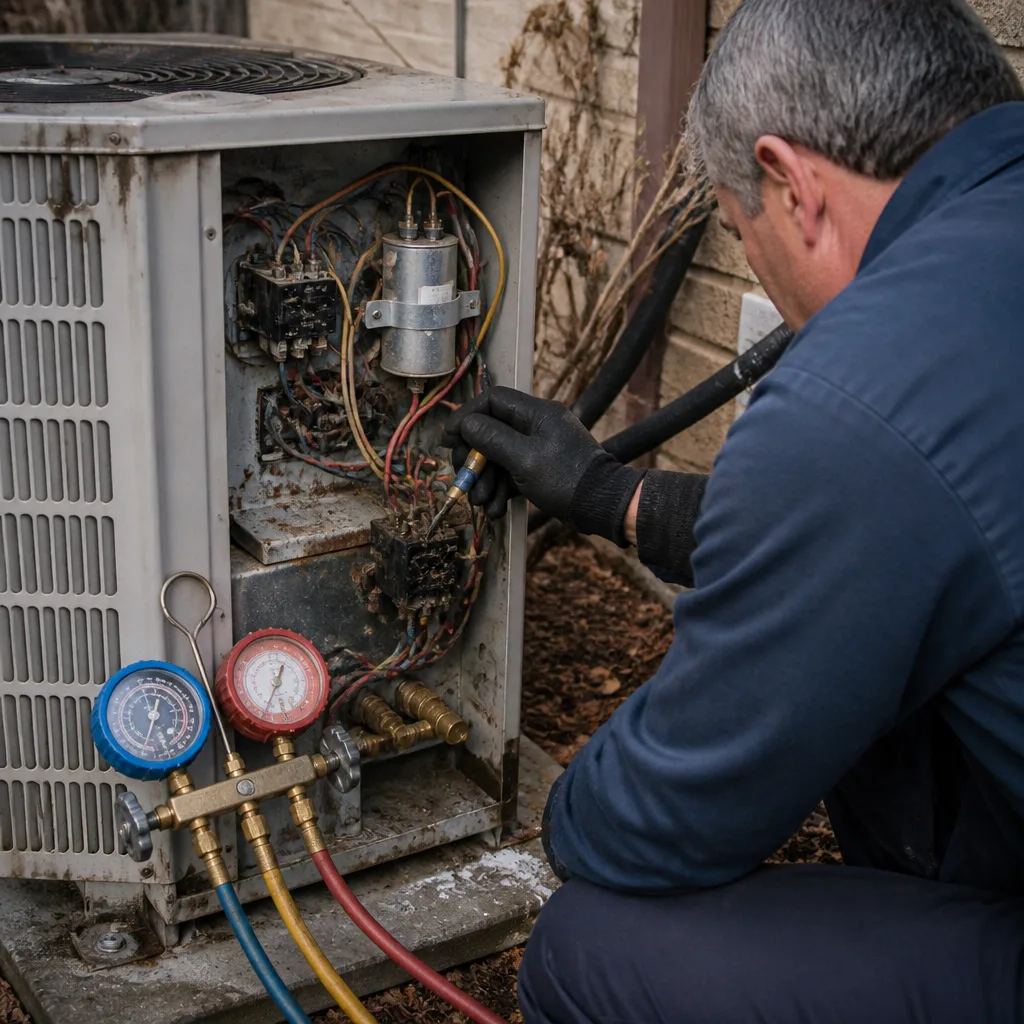
Seasonal tune-up and full diagnostic on your Carrier, Trane, or Goodman system - readings shown to you before any repair is proposed
Diagnosis first, numbers second - you approve the repair price before a single part goes in.
Get your free estimateChoosing the Right HVAC Brand: A Buyer’s Guide for Richardson
A correctly sized, properly installed Carrier system will outlast and outperform a premium Trane unit that was oversized by a dealer who earns a higher margin on larger equipment. That’s an uncomfortable thing to read when you’ve spent weeks comparing nameplates, but it’s the truth about how HVAC systems actually live or die. The brand debate starts in the wrong place. Richardson homeowners searching for the best HVAC brand to buy usually ask the wrong question first, and the answer they get from a single-brand dealer is shaped by that dealer’s margin, not your house. This guide covers what actually determines system life, how to read SEER2 ratings for North Texas rather than a national brochure, why dealer exclusivity is a conflict of interest, and the warranty fine print most buyers never see until a claim is denied.
Quick Answer
The best HVAC brand for a Richardson home is the one installed by a competent, non-exclusive contractor who performed a proper load calculation, sized the equipment correctly, and will service the system under warranty for years to come. Brand name matters, but it ranks behind installation quality, correct sizing, and warranty structure. A well-installed Goodman or Rheem system routinely outperforms a poorly installed premium unit. If you’re choosing between two brands at similar price, pick the contractor you trust more, not the badge.
Styles & brands we work with
- AC repair
- Furnace & heating
- Heat pumps
- Ductless mini splits
- Carrier
- Trane
- Goodman
Table of Contents
- What actually determines how long your HVAC system lasts
- How to read SEER2 ratings for Richardson’s climate
- Dealer exclusivity and the conflict of interest you should know about
- Warranty fine print: registered vs. base coverage
- How to evaluate any brand on the metrics that matter in DFW
- Value-tier vs. premium-tier brands: an honest comparison
- Questions to ask any installer before you sign
- When to call a professional
What Actually Determines How Long Your HVAC System Lasts
Three factors decide the real-world life expectancy of a residential HVAC system, and none of them are the brand name on the outdoor unit. We’ve seen properly installed value-tier equipment outlast poorly installed premium equipment by years. Here’s what actually matters.
1. Correct sizing via a load calculation
An oversized system short-cycles. It cools the house fast, shuts off before it dehumidifies, then restarts minutes later. That cycling wears out the compressor and blower motor faster than steady operation. In Richardson’s long cooling season, an oversized unit runs more start cycles per summer than it should, and each start is the hardest moment in the compressor’s life. An undersized system runs continuously, never quite reaching setpoint on the hottest afternoons, and fails early from constant strain. The only way to get this right is a room-by-room Manual J load calculation, not a rule of thumb based on square footage.
2. Installation quality
Refrigerant charge, airflow, duct static pressure, line set brazing, condensate drainage, and electrical connections all determine how the equipment performs. A system charged short of refrigerant runs hot and dies young. A system with high static pressure from restrictive ductwork loses capacity and wears the blower motor. These are installation problems, not brand problems.
3. Maintenance and service access
A system that receives regular filter changes, coil cleaning, and refrigerant checks lasts longer than one that doesn’t. The catch is that service access depends on the contractor. A brand with dense parts distribution and technicians familiar with the equipment gets back online faster when something fails. That’s a brand-adjacent factor, which brings us to the next section.
Notice what’s missing from this list: the nameplate. Brand matters indirectly – through parts availability, warranty structure, and technician familiarity – but not as a direct driver of life expectancy. The three factors above are all installer decisions.
How to Read SEER2 Ratings for Richardson’s Climate
SEER2 is the current efficiency standard, and it replaced SEER in 2023 with a slightly different testing method, so the numbers aren’t directly comparable across that year. National marketing brochures lead with SEER2 numbers as if they mean the same thing everywhere. They don’t. Efficiency ratings are measured under specific test conditions, and how much of that efficiency you actually capture depends on the climate the equipment runs in.
Richardson sits in a hot-humid climate zone. Cooling load dominates the year, and dehumidification matters as much as raw temperature drop. Here’s what to consider when comparing SEER2 numbers for a Richardson home:
- Higher SEER2 helps most where the cooling season is long. In North Texas, the cooling system runs for a larger share of the year than in northern markets, so efficiency gains compound across more operating hours. That doesn’t mean chase the highest number; it means the gap between a 14.3 SEER2 system and a 16+ SEER2 system matters more here than in a short-season climate.
- Latent capacity matters as much as SEER2. A system that meets the SEER2 number but has weak latent (dehumidification) performance will leave a Richardson house feeling cool but clammy. Ask about sensible and latent capacity, not just the headline rating.
- Ductwork can erase efficiency gains. A 16 SEER2 system connected to leaky, undersized ducts delivers something lower than the rating. Duct sealing and return sizing are often more impactful than jumping a tier on the equipment.
- SEER2 is a maximum, not a promise. The rating is a lab test. Real performance depends on charge, airflow, and installation. A well-installed 14.3 SEER2 system can outperform a 16 SEER2 system installed into a bad duct system.
When you’re comparing quotes in Richardson, ask the contractor to show you how they arrived at the recommended SEER2 tier. If they can’t explain the load calculation or how the equipment matches your existing ductwork, the efficiency number is marketing rather than engineering. We work with both value-tier and premium-tier equipment, so we can honestly recommend based on the house, not the showroom.
Dealer Exclusivity and the Conflict of Interest You Should Know About
Many HVAC contractors are “authorized dealers” for a single manufacturer. That relationship comes with training, co-op marketing dollars, and in some cases volume-based incentives. It also comes with an incentive to sell that brand regardless of what fits your house. When a single-brand dealer tells you their brand is the best, the recommendation isn’t wrong because they’re dishonest; it’s shaped by a structural conflict of interest.
Here’s how that plays out in practice:
- Tier selection bias. A dealer carrying only one brand can’t show you what a comparable Goodman, Rheem, or York system would cost. You’ll only see the premium tier of their brand because that’s where margin and dealer status live.
- Repair vs. replace pressure. A single-brand dealer with a sales target has less incentive to repair a warrantable system than a shop that repairs what’s already installed.
- Residential vs. commercial sourcing. Some brands pursue commercial volume and treat residential as an afterthought; others work the other way. A one-brand contractor can’t steer you toward the manufacturer whose residential parts network is strongest in DFW.
- Warranty familiarity. A multi-brand shop has processed warranty claims across multiple manufacturers and knows which ones pay without friction and which require follow-up. That knowledge translates into faster resolution for you.
We’re a brand-agnostic shop qualified to work on nine major brands, including Carrier, Trane, Lennox, Goodman, Rheem, York, Daikin, Bryant, and American Standard. That range exists specifically so we can recommend based on your house, your budget, and your existing ductwork rather than a dealer agreement. When a homeowner in Richardson asks whether a premium Trane replacement is worth it, we can show them what a comparable Rheem or Daikin system offers and let them decide. That’s the structure a buyer should look for regardless of which brand they end up choosing.
Warranty Fine Print: Registered vs. Base Coverage
Most HVAC manufacturers offer a base warranty and a longer warranty if the equipment is registered with the manufacturer after installation. The difference is significant and it’s buried in the paperwork. A base warranty might cover a shorter parts period, while the registered warranty extends coverage but requires the contractor to submit registration on your behalf within a set window after installation.
What that means for a Richardson homeowner:
What “registered warranty” actually requires
You need the installing contractor to complete the manufacturer registration – usually online, within a defined window after startup – and you need the serial numbers and model numbers documented. If the contractor doesn’t register the unit, you fall back to the shorter base warranty. Many homeowners discover this when a compressor fails and they’re told their coverage is less than they expected. Ask any contractor whether registration is included in the install price and get confirmation of the registration in writing.
What’s usually excluded
Warranties typically cover parts, not labor, and not the diagnostic cost. Some brands include a limited labor allowance in the first year; others don’t. The equipment warranty also excludes damage from installation errors, water intrusion, power surges, and neglect of maintenance. That last part is important: if the warranty requires documented maintenance and you can’t produce it, a claim on a failed compressor can be contested.
Questions to ask about warranty before you buy
- Is the equipment warranty registered by you, at what cost, and when?
- Does the warranty cover parts only, or parts and labor?
- What maintenance records does the manufacturer require to keep the warranty valid?
- Who handles warranty claims if the original installer is unavailable?
- Is the compressor covered under a separate, longer term than the rest of the parts?
None of these questions are brand-exclusive; every manufacturer has fine print. But the answers differ by brand and by contractor. A multi-brand shop that has filed warranty claims across several manufacturers will tell you honestly which brands are easier to work with when something fails.
How to Evaluate Any Brand on the Metrics That Matter in DFW
If brand name is secondary, what should you actually compare? Three metrics separate brands that make sense in the Richardson market from brands that don’t. None of them appear in manufacturer brochures.
Metric 1: Parts availability in the DFW market
When your compressor fails in July, the difference between a brand with strong DFW parts distribution and one without is measured in days, not hours. Ask any contractor which brands they can source locally from supply houses and which require an order that ships from out of state. Locally stocked parts mean faster repairs, less guesswork, and a quicker return to normal.
Metric 2: Local technician familiarity
A brand is only as good as the technician’s ability to diagnose and repair it. Widely owned brands – Carrier, Trane, Lennox, Goodman, Rheem, York, Daikin – are everywhere in Richardson, which means technicians have seen their failure patterns dozens of times. A niche brand may be excellent equipment but if no technician nearby has opened one up, diagnostics take longer and parts searches slow down. Frequency of exposure is a real-world performance metric.
Metric 3: Compressor tier
The compressor is the most expensive single component in your system and the part most likely to determine whether a repair is worth doing. Entry-level brands often use a standard reciprocating compressor; premium brands may use a scroll design that’s quieter and more durable. Ask what compressor type each quote includes and compare honestly. A scroll compressor can extend the practical service life enough to justify a higher equipment cost, but only if the install and ductwork are correct.
Here’s how we’d rank those three metrics against a brand nameplate: all three matter more than the marketing tier. A well-supported, familiar, scroll-compressor Goodman system in Richardson will serve a homeowner better than a hard-to-source, unfamiliar premium unit, and often at a lower installed cost.
Value-Tier vs. Premium-Tier Brands: An Honest Comparison
Value-tier equipment – think Goodman, Rheem, York – and premium-tier equipment – Carrier, Trane, Lennox – have real differences, but they aren’t the ones the sales brochures emphasize. Here’s a fair breakdown of where the money goes.
- Compressor and fan motor grade. Premium tiers more often include scroll compressors and variable-speed blowers. Value tiers can too, but usually at the top of their range. Standard single-speed equipment is fine in either tier if the load calculation is right.
- Cabinet and coil construction. Premium units tend to have heavier cabinets, better coil coatings, and quieter operation. In a Richardson attic or garage install, quieter operation is worth less than coil durability; in a closet install near a bedroom, it’s worth more.
- Parts distribution and warranty support. Premium brands often have stronger dealer networks but not always better warranty terms. Read the fine print (see the previous section) before assuming premium means better coverage.
- Installed price. The gap between a value-tier and premium-tier install of the same capacity can be significant. That gap buys compressor grade, cabinet quality, and sometimes a longer warranty term. It doesn’t buy a longer life independent of install quality.
Our honest read for most Richardson homeowners: value-tier equipment installed by a careful contractor is the better value for a typical single-family home, unless your install location makes noise or coil durability a real concern. Premium-tier equipment is worth it when the compressor and cabinet grade genuinely fit the house. Either way, the difference is smaller than the price gap suggests.
Questions to Ask Any Installer Before You Sign
The contractor matters more than the brand, so the questions that decide your outcome are about the contractor, not the equipment. Bring this list to every quote. A competent contractor answers all of them without hesitation.
- Will you perform a Manual J load calculation, and can I see it? Not a square-footage rule of thumb. A room-by-room calculation, in writing.
- Will you check my existing ductwork and report static pressure? A correct install accounts for the ducts you already have.
- What’s your equipment-warranty registration process, and is it included in the price? Get the answer in writing.
- What brand tiers do you carry, and can you quote a value-tier option alongside a premium-tier one? A non-exclusive shop can; a single-brand dealer often can’t.
- Who performs the install, and how many years of experience do the technicians have? Our technicians have up to 14 years of experience, and we’re comfortable answering that question. Any good contractor should be.
- What does the written estimate include and exclude? Refrigerant, line set, pad, permit, haul-away, and any duct modifications should be spelled out.
- What’s your warranty-service process if the equipment fails in year three? A shop that services what it installs is a very different partner than a shop that pushes a badge and moves on.
If a contractor answers “we carry the best brand, you don’t need to worry about the rest,” that’s the moment to walk away. The best brand for a Richardson home is the one installed correctly by a contractor who can answer these seven questions.
Common Mistakes to Avoid
- Choosing a brand before choosing a contractor. The brand decision should follow the contractor decision, not the other way around. Pick the shop you trust first, then choose the equipment tier with them.
- Trusting square footage sizing. A rule-of-thumb tonnage based on square footage will often oversize the system for a Richardson home with decent shading or a tight envelope. Oversizing short-cycles and shortens the compressor’s life even on premium brands.
- Ignoring the ductwork. The best equipment in the world loses half its performance through leaky, kinked, or undersized ducts. Get a static-pressure reading before you buy.
- Skipping the warranty registration. Ask for confirmation of registration in writing and keep it with your maintenance records. Without it, you fall back to the shorter base warranty.
- Buying from a single-brand dealer because that brand is “the best.” Dealer exclusivity is a structural conflict of interest. Get at least one quote from a multi-brand shop that carries both value-tier and premium-tier equipment.
- Chasing the highest SEER2 number without considering ducts or latent capacity. A high-SEER2 system installed into bad ducts underperforms a mid-tier system installed correctly, and in Richardson the humidity side matters as much as the temperature side.
- Treating AC and heating as separate purchases. A single company that handles both AC installation and furnace repair avoids the coordination gap that comes with splitting the job across two contractors.
See the difference
 Before
 After
 Before
 After
 Before
 After
When to Call a Professional
If your system is failing intermittently, short-cycling, blowing warm air, or making sounds it didn’t make last summer, the diagnosis is the first thing to get right – the brand question comes after. If you’re comparing quotes on a replacement, call before you sign so you can get an independent read on the load calculation and warranty terms. If you’ve been quoted a single brand and nothing else, that’s worth a second look. Our technicians have up to 14 years of experience across nine major brands, and we can work with your existing Richardson system or help you choose a replacement that fits the house.
Juniper AC Repair offers free estimates in Richardson. Juniper AC Repair is qualified to work on Carrier, Trane, Lennox, Goodman, Rheem, York, Daikin, Bryant, and American Standard, and we handle both heating and cooling under one name so you’re not hunting for a second contractor when the season flips. Call (855) 419-6908. We answer 24/7. Fast dispatch from 7am to 7pm, Sunday through Friday.
Frequently Asked Questions
There isn’t one best brand – the best HVAC brand for a Richardson home is the one installed by a competent, non-exclusive contractor who performed a real load calculation and sized the system correctly. Among widely owned brands in DFW, Carrier, Trane, Lennox, Goodman, Rheem, York, Daikin, Bryant, and American Standard are all solid choices. The contractor behind the badge matters more than the badge itself. Call (855) 419-6908 for a free estimate and we’ll walk through the trade-offs for your specific house.
Sometimes yes, often no. Premium tiers buy higher-grade compressors, better cabinet and coil construction, and quieter operation – real differences that matter in specific install locations like a closet near a bedroom. They don’t buy a longer life independent of install quality. In our experience across Richardson, a well-installed value-tier system (Goodman, Rheem, York) is the better value for most single-family homes. Ask for both a value-tier and premium-tier quote before you decide.
Most residential AC systems in Richardson last somewhere between the manufacturer’s rated service life and a bit beyond it, and the difference comes down to installation quality, sizing, and maintenance. An oversized or undercharged system fails early regardless of brand. A properly charged, well-maintained system tends to reach and exceed its expected life. The brand name is a smaller factor than any of those. Call (855) 419-6908 for a free estimate if you’re weighing repair vs. replacement.
Registered warranty means the installing contractor submitted the equipment registration with the manufacturer on your behalf, extending coverage beyond the shorter base warranty. It matters because if the contractor doesn’t register the unit, you fall back to base coverage and can face a much bigger bill when a compressor fails. Ask any contractor to confirm registration in writing and to explain what maintenance records the manufacturer requires. Call (855) 419-6908 and we’ll walk through warranty terms across brands before you sign.
Not necessarily. AC and furnace equipment from different brands can work together if the contractor sizes and matches them correctly. What matters more is that one company handles both so you’re not coordinating two contractors when something fails. A mismatched pair installed correctly outperforms a matched pair installed poorly. Call (855) 419-6908 for a free estimate on either side of the system.
Single-brand contractors carry one manufacturer because their dealer agreement ties them to it – usually through training, co-op marketing, and volume incentives. That structure creates a conflict of interest when it comes to recommending equipment for your house. A shop that carries multiple brands can show you comparable systems at different price points and let the house decide. We’re qualified across nine major brands for exactly that reason.
The Bottom Line
The best HVAC brand for a Richardson home is whichever one is correctly sized, properly installed, and backed by a contractor who services what they sell. Brand name ranks behind installation quality, load calculation, ductwork, and warranty structure – and no amount of nameplate premium makes up for a shortcut on any of those. If you’re choosing between two brands at similar price, pick the contractor you trust more. If a single-brand dealer tells you their badge is the answer, get a second quote from a multi-brand shop before you sign. The house doesn’t care what the sticker says.
Call (855) 419-6908 for a free estimate. We answer 24/7. Fast dispatch from 7am to 7pm, Sunday through Friday. We’re closed on Saturday.
Written by the team at Juniper AC Repair.