
Last updated November 15, 2026
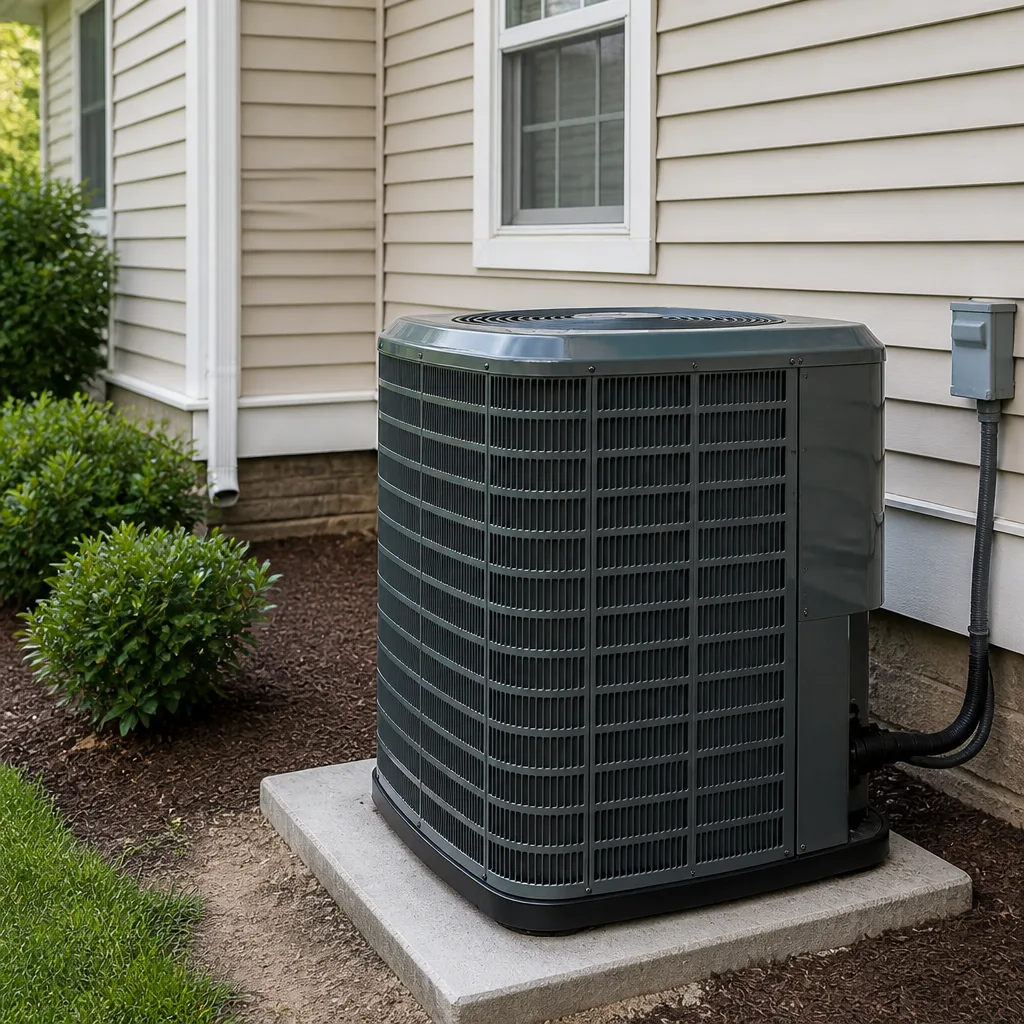 AC repair
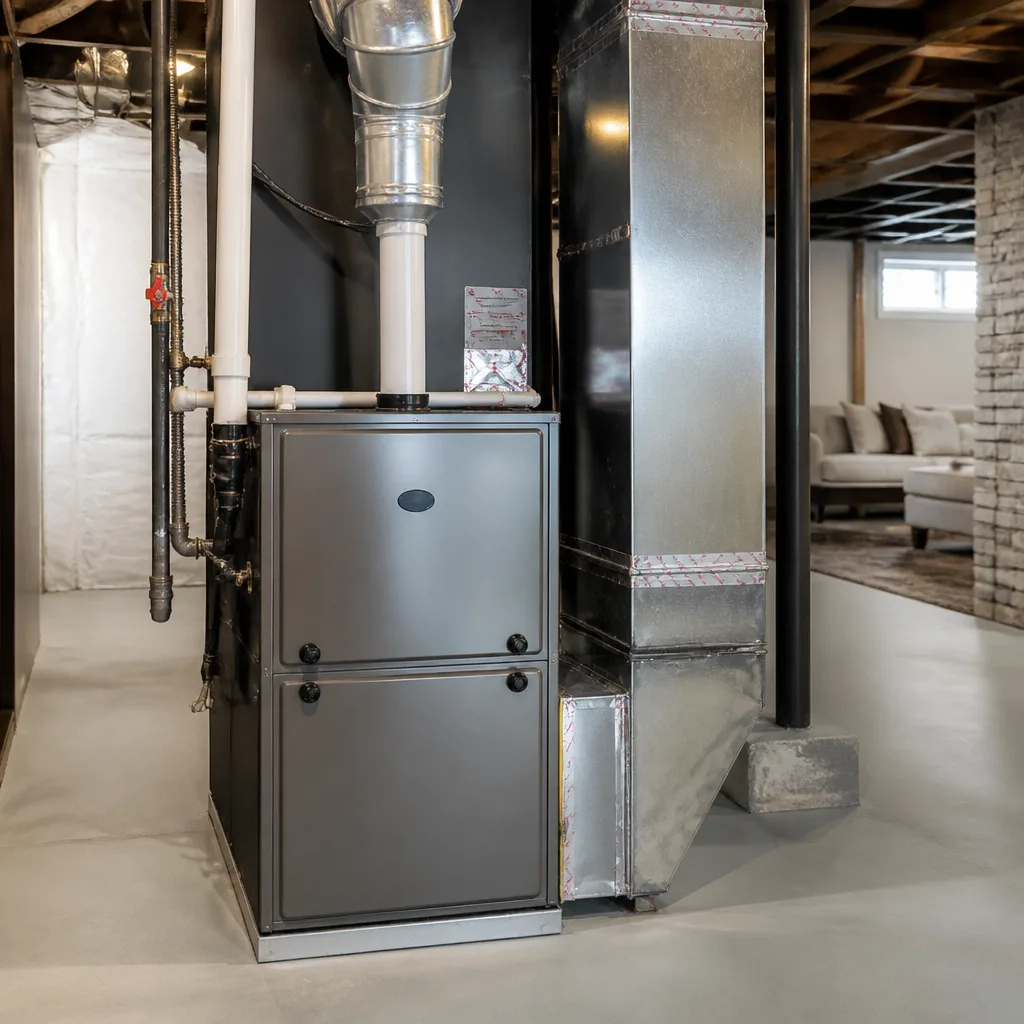 Furnace & heating
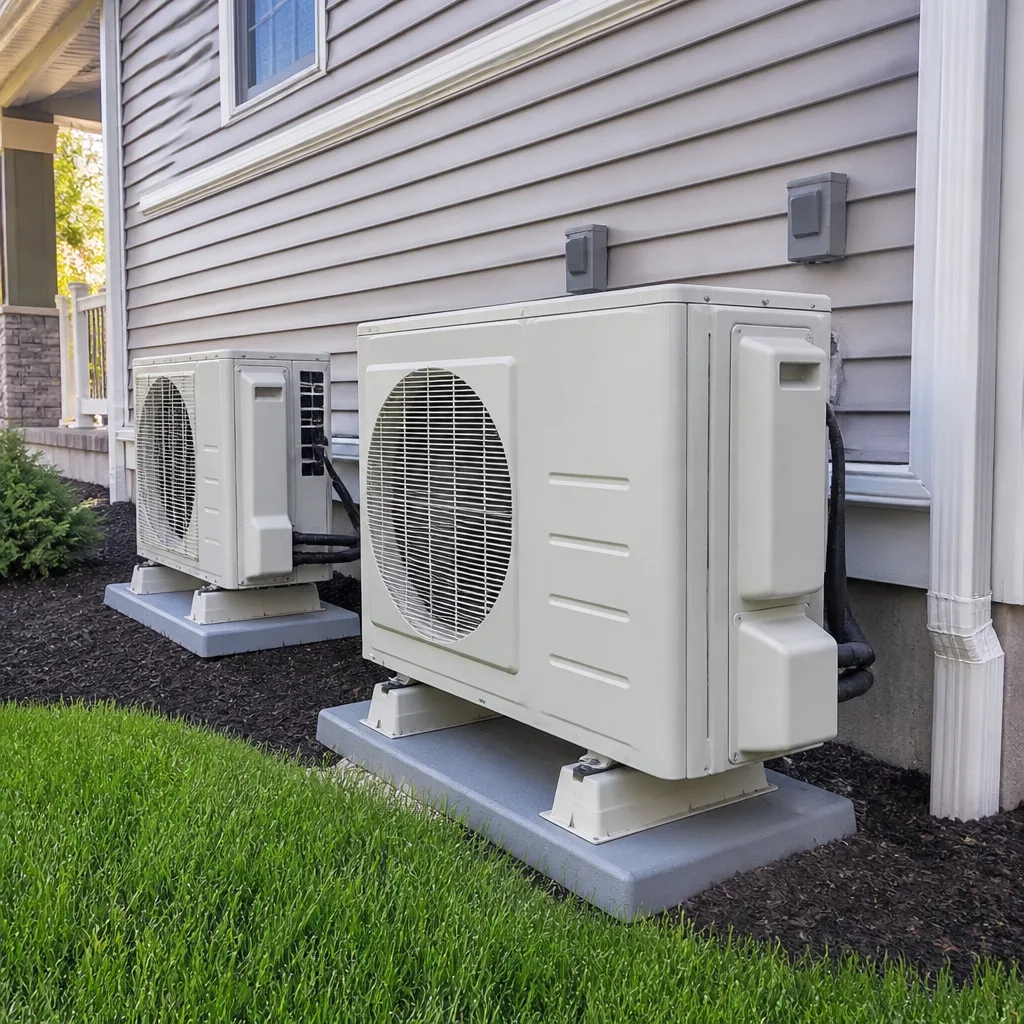 Heat pumps
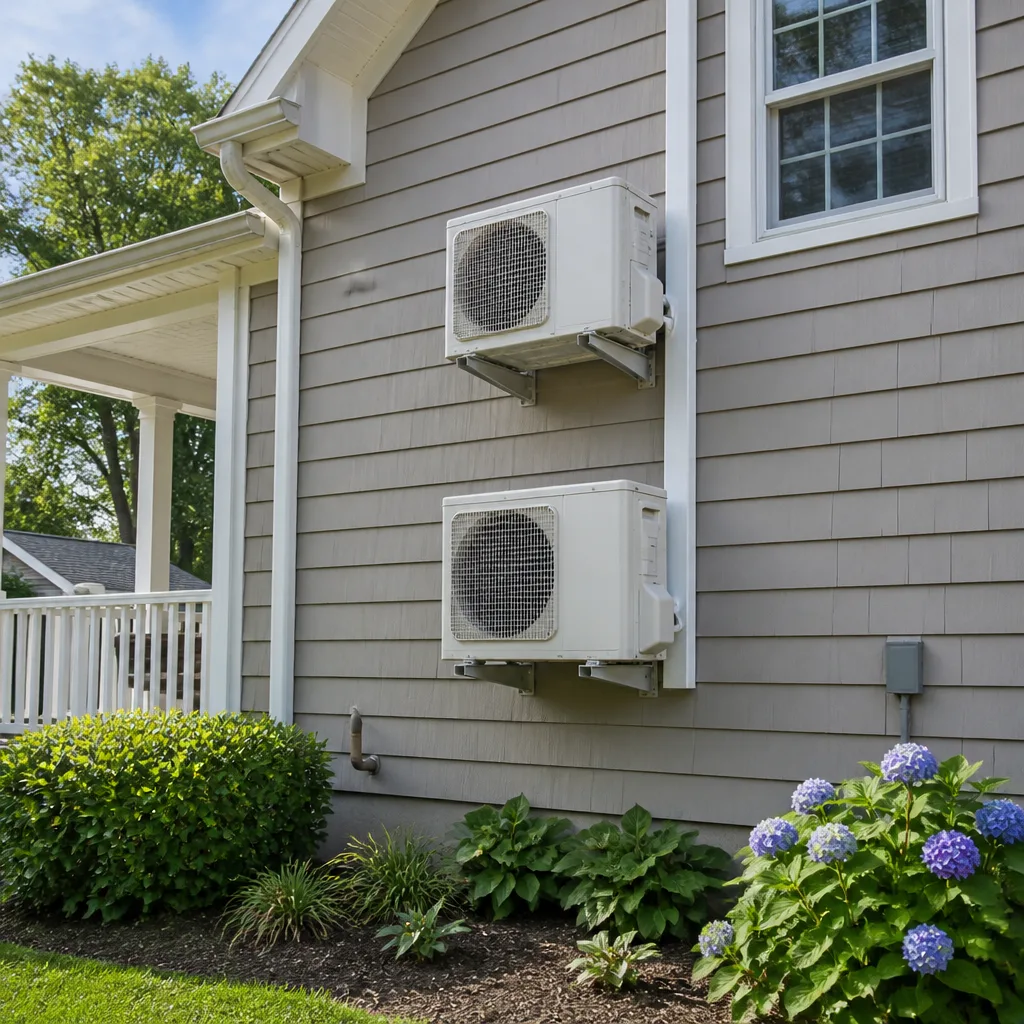 Ductless mini splits
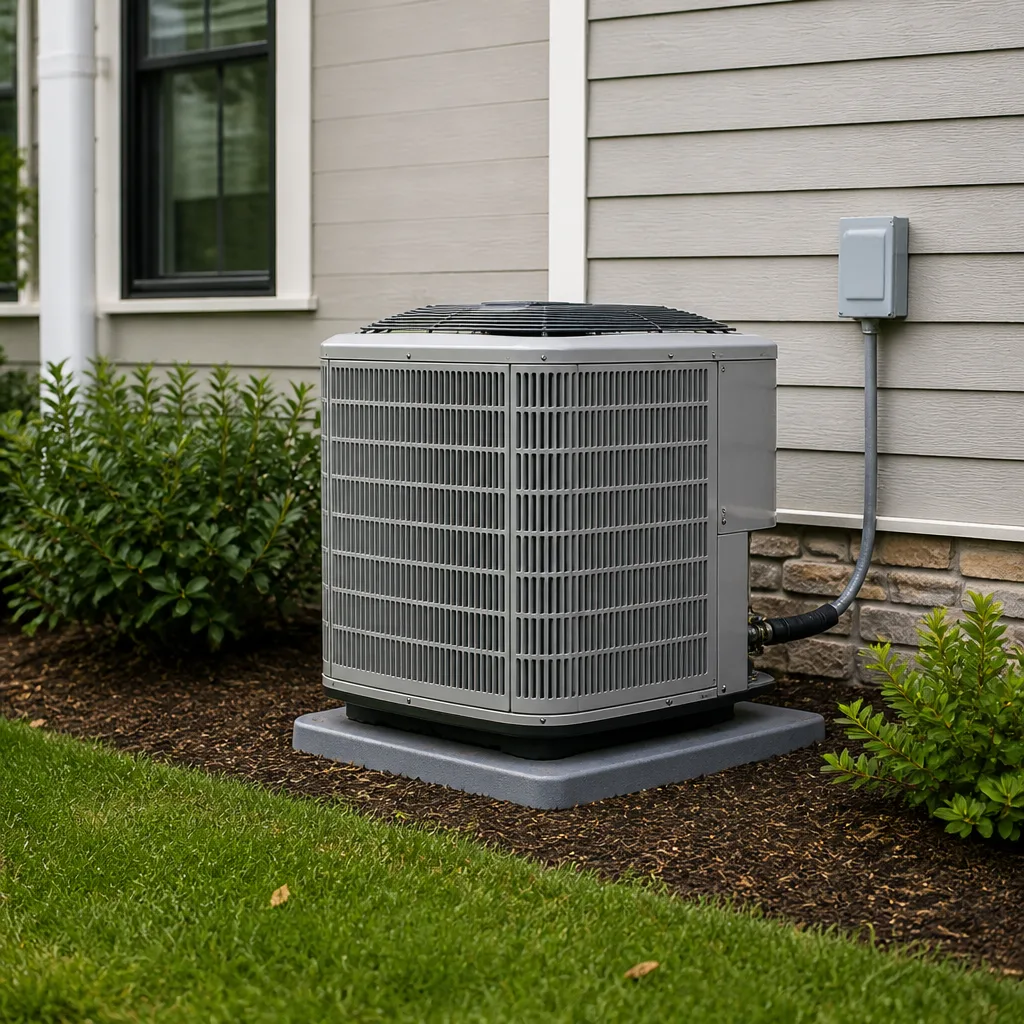 Carrier
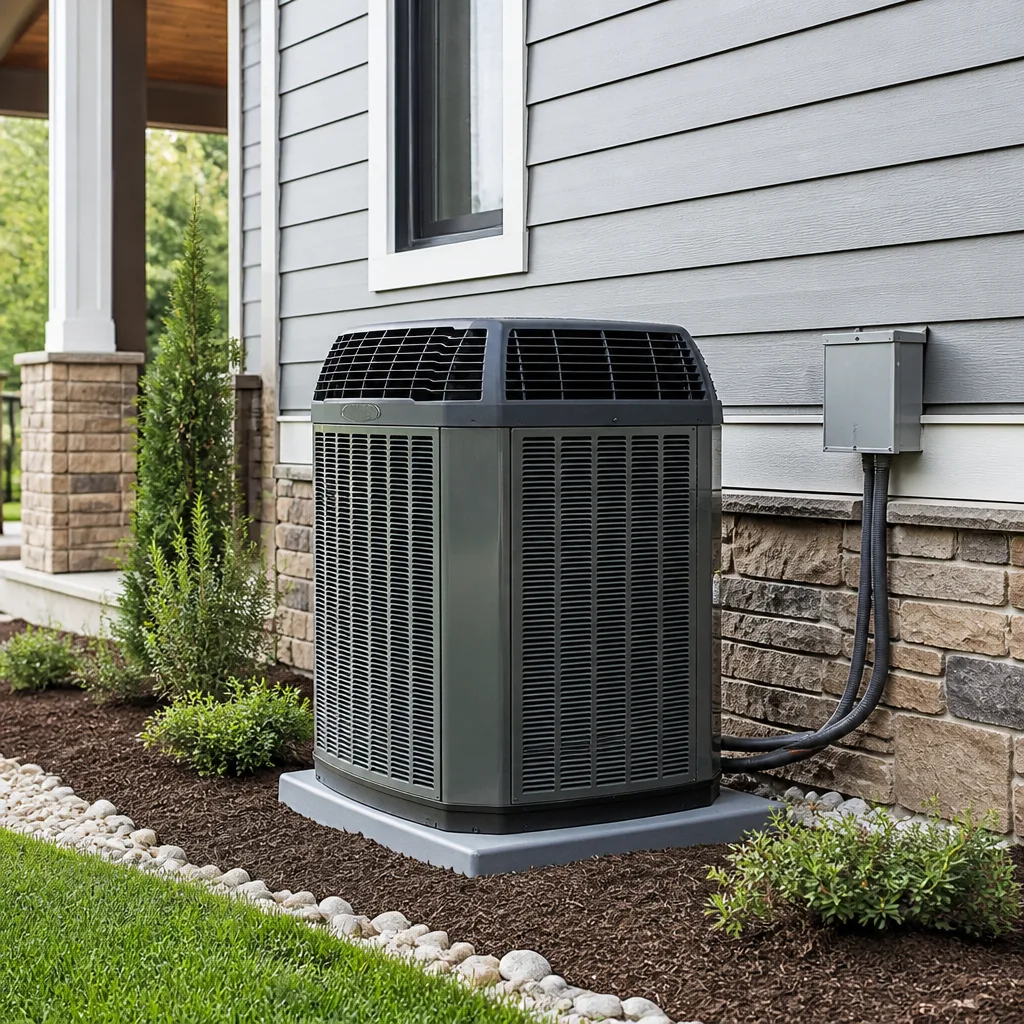 Trane
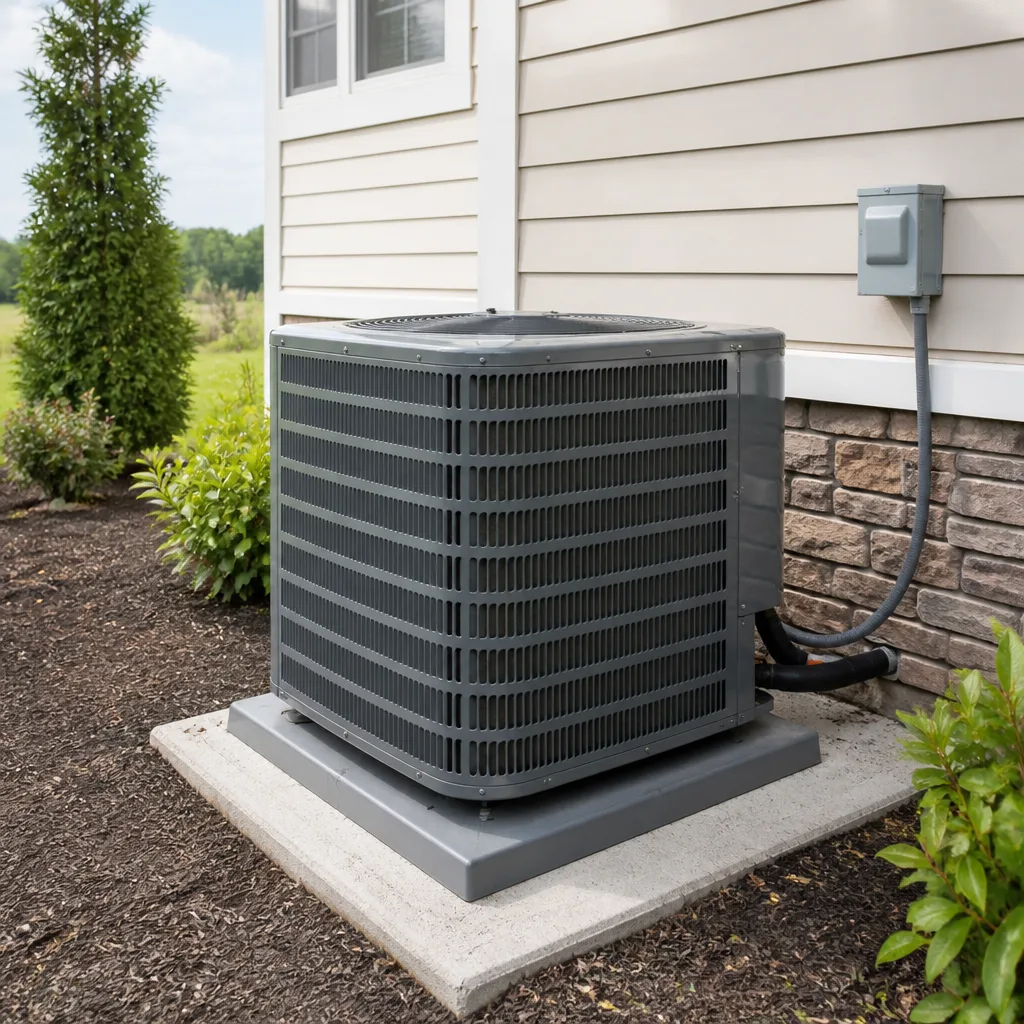 Goodman
Seasonal tune-up and full diagnostic on your Carrier, Trane, or Goodman system - readings shown to you before any repair is proposed
Diagnosis first, numbers second - you approve the repair price before a single part goes in.
Get your free estimateSeasonal HVAC Care for Richardson: Year-Round Homeowner’s Guide
Most homeowners here schedule AC maintenance in April, right when the first hot week hits. That’s the wrong month. Richardson doesn’t run on four equal seasons. It runs on two intense demand periods (summer cooling, winter heating) separated by two narrow transition windows in spring and fall. The real maintenance work belongs in those windows, and the March window for AC prep closes faster than people expect. Wait until April and you’re competing with everyone else who just noticed their house is warm. By then the good technicians are booked weeks out and your system heads into peak summer unchecked.
This guide is built around that actual rhythm. You’ll get a month-by-month schedule, a clear line between what you can handle yourself and what needs a technician, and the reasoning behind each task so nothing feels arbitrary. It’s written from Richardson, for Richardson homes.
Quick Answer
The best seasonal HVAC schedule for Richardson is a March AC tune-up before peak heat, an October furnace and heat exchanger inspection before the first cold snap, and duct and air-quality work during the two mild shoulder windows in spring and fall. Year-round, manage humidity and change filters on schedule. Split every task into owner jobs you do yourself and technician jobs that require a licensed professional.
Styles & brands we work with
- AC repair
- Furnace & heating
- Heat pumps
- Ductless mini splits
- Carrier
- Trane
- Goodman
Table of Contents
- Why Richardson’s HVAC Calendar Doesn’t Have Four Equal Seasons
- The March AC Prep Window (and Why It Closes Early)
- The October Heating Check: What a Heat Exchanger Inspection Actually Involves
- Using the Spring and Fall Windows for Duct and Air Quality Work
- Humidity Management Is a Year-Round Discipline
- Month-by-Month Schedule: Owner Tasks vs. Technician Tasks
- Repair or Replace? The Decision Most Richardson Homeowners Face
- Why Brand Familiarity Matters for Your System
Why Richardson’s HVAC Calendar Doesn’t Have Four Equal Seasons
Richardson sits in a part of North Texas where the cooling season dominates and the heating season is short but real. Summer heat arrives fast and stays, and winter delivers enough cold snaps that a furnace has to work when called on. The mild stretches in between are brief. That shape changes how you should think about maintenance.
In a climate with long, gentle springs, you’d have weeks to schedule a tune-up. Here, the transition from mild to hot can happen in days, and demand spikes with it. Every homeowner in Richardson who put off AC service suddenly wants it the same week. Technicians get booked out, and the people who waited take whatever slot is left.
So the schedule isn’t about four quarterly check-ins. It’s about getting ahead of the two demand spikes by doing the prep work in the calm before each one. That means:
- AC prep in March – before the first sustained heat, while scheduling is open.
- Heating inspection in October – before the first cold snap, while there’s still room on the calendar.
- Duct and air-quality work in the spring and fall shoulders – when the system can be down for a few hours without anyone suffering.
- Humidity control as a continuous habit – not a summer-only fix.
In our experience, the homeowners who stay comfortable through every season aren’t the ones who spend the most. They’re the ones who work the calendar instead of reacting to it. Getting that calendar right is the whole point of this guide.
The March AC Prep Window (and Why It Closes Early)
March is the single most valuable month on the Richardson HVAC calendar. It’s warm enough to run the AC under load but not so hot that a technician is fighting a system that’s already failing in extreme heat. That combination lets a technician actually test the equipment, not just guess at it.
The window closes fast because demand is about to pivot. Once the first hot week lands, every call switches to emergencies and no-heat-style urgency, just running the other direction. Scheduled maintenance gets pushed behind failure calls. In our experience, the best scheduling availability for AC prep is in early-to-mid March, before the first sustained heat, and it tightens noticeably the closer you get to it.
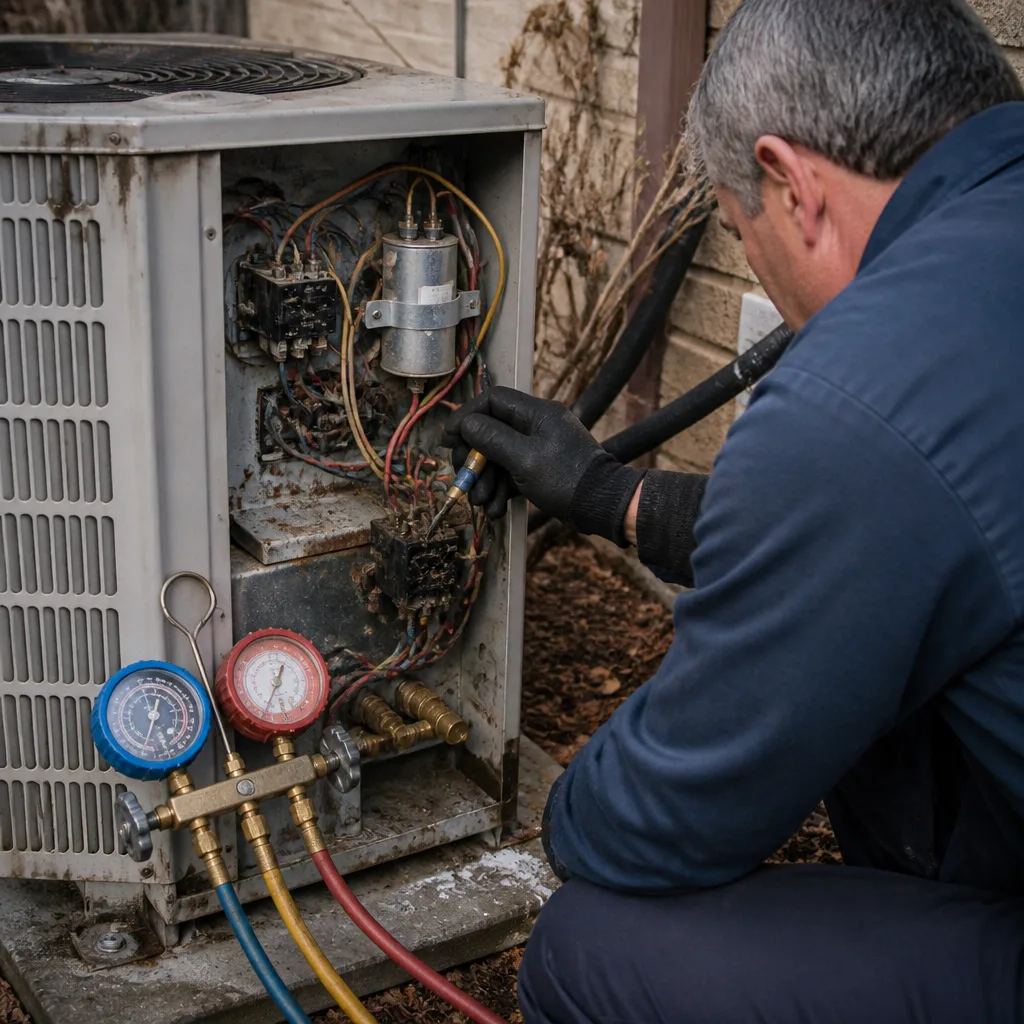
What an AC prep visit should include
- Refrigerant charge check – confirming the system is holding the charge it’s supposed to.
- Coil cleaning – both evaporator and condenser coils, since dirty coils cut efficiency and strain the compressor.
- Condensate drain clearing – a clogged drain is one of the most common causes of water damage and shutdowns in humid stretches.
- Electrical component inspection – checking capacitors, contactors, and connections for wear.
- Filter and airflow verification – confirming airflow is within spec, not just swapping a filter.
- Thermostat and controls test – making sure the system responds correctly across the range.
If you’ve been meaning to set this up, AC installation specialists also service what they install, and getting on the calendar in March is the difference between a checked system and a reactive one heading into summer. The earlier in the month, the better your options.
Safety note: refrigerant handling and electrical component work are jobs for a trained professional. Refrigerant systems are pressurized, and the electrical side carries real risk. Leave this to someone qualified.
The October Heating Check: What a Heat Exchanger Inspection Actually Involves
October is the heating counterpart to March. Richardson winters are mild, which leads plenty of homeowners to skip the heating check entirely. That’s a mistake, and here’s why: mild winters still bring cold snaps, and a furnace that hasn’t been inspected is a furnace nobody has verified will run when the temperature drops.
The most important part of an October visit is the heat exchanger inspection. A heat exchanger is where combustion gases are separated from the air you breathe. If it cracks, carbon monoxide can enter the living space. That’s a safety issue, not a comfort issue, and it’s the reason this check isn’t optional.
What a heat exchanger inspection actually involves
A technician can’t fully verify a heat exchanger from the outside. A proper inspection typically involves:
- Visual inspection of accessible surfaces – looking for cracks, corrosion, or discoloration.
- Combustion analysis – measuring the combustion gases to spot problems that aren’t visible.
- Flue and venting check – confirming exhaust gases vent correctly.
- Flame sensor and burner inspection – confirming clean combustion and correct flame behavior.
- Gas line check – confirming no leaks and proper connections.
Some of these checks require disassembly and specialized tools. If a technician tells you a heat exchanger is fine without doing combustion analysis and inspecting the interior, ask what the inspection actually covered. A cracked heat exchanger usually means a furnace replacement rather than a repair, which is why the furnace repair conversation in October frequently turns into a replacement decision. Better to have that conversation in mild October than in a cold snap.
Safety: gas appliances and combustion systems should only be inspected and serviced by a trained professional. A suspected heat exchanger problem means stop using the furnace and call someone qualified.
Using the Spring and Fall Windows for Duct and Air Quality Work
The two mild windows – spring and fall – are the only times of year when you can have the system down for a few hours and nobody in the house is uncomfortable. That makes them the right time for duct inspection, duct sealing, and air quality work. Doing this in July or January means either living with the disruption or paying for temporary fixes.
Richardson homes vary widely by age and construction. Older homes often have duct systems that have developed leaks at seams and joints, and even a modest leak means you’re paying to condition air that never reaches a room. A duct inspection during a shoulder season can catch that before it becomes a summer-long efficiency drain.
What belongs in a shoulder-window visit
- Duct inspection – checking for leaks, disconnected sections, crushed runs, and insulation damage.
- Duct sealing – sealing leaks at seams, joints, and connections to reduce loss.
- Air quality assessment – reviewing filtration and ventilation for the home.
- Return airflow check – confirming the return side can support the supply side.
One thing that’s easy to miss: duct sealing should come before filter upgrades. Improving filtration on a leaking duct system doesn’t help much, because air bypasses the filter through the leaks. Get the ducts sealed first, then look at filtration during the next shoulder window.
Humidity Management Is a Year-Round Discipline
Humidity in Richardson is a year-round concern, not a summer-only problem. The spring shoulder season is often the most humid stretch of the year, and that’s before the cooling season even starts. When humidity runs high, you feel warmer at the same thermostat setting, the AC has to work harder, and moisture can build up in less-ventilated parts of the house.
The instinct is to crank the AC, but cooling isn’t the same as dehumidifying. An oversized or short-cycling system can cool the air without pulling enough moisture out of it. That’s why the right response is to manage humidity at the source and with the right equipment, not just to run the fan more.
What to check year-round
- Condensate drain – clear it and confirm it drains freely. A clogged drain is a common source of water issues during humid stretches.
- Thermostat setpoints – overly aggressive setback-and-recovery cycles can leave humidity high in spring.
- Bathroom and range ventilation – vent moisture at the source rather than relying on the AC to handle it.
- Return airflow – restrictive returns make the whole system less effective at moisture removal.
If your home holds humidity through the shoulder season even with the AC running, that’s worth a technician visit before summer. The fix is usually a combination of airflow correction and equipment settings, not a bigger AC. A Richardson home that feels humid in May will typically feel worse in July.
Month-by-Month Schedule: Owner Tasks vs. Technician Tasks
Here’s the part most seasonal guides blur. You can do some of this yourself. Some of it you should never touch. The list below draws a hard line, so you’re not guessing which is which.
Owner tasks (you handle these)
- January – check your filter and replace it if it’s loaded. Confirm your thermostat still holds a setpoint.
- February – clear anything stored near the furnace and outdoor unit that could block airflow.
- March – replace the filter before the AC prep visit so the technician tests the system on a clean filter.
- April – walk the outside of the house and clear vegetation, debris, and stored items from around the outdoor condenser.
- May – note any room that’s consistently warmer or cooler than the rest of the house.
- June – check the condensate drain line where it exits; confirm it’s draining, not backing up.
- July – replace the filter and confirm the outdoor unit’s breaker hasn’t tripped.
- August – repeat the filter check. Hot months load filters faster.
- September – clear the area around the furnace and note any strange smell or noise when it first runs.
- October – replace the filter ahead of the heating inspection.
- November – confirm the furnace’s exterior panel is secure and nothing is stored against it.
- December – repeat the filter check and note any room that suddenly heats poorly.
Technician tasks (call a professional)
- March: AC tune-up, refrigerant check, coil cleaning, electrical inspection.
- April-May: Duct inspection and sealing, air quality assessment.
- June-August: Any AC repair call – refrigerant, compressor, capacitor, controls.
- September-October: Furnace inspection, heat exchanger and combustion analysis, gas line check.
- November-February: Any furnace repair or replacement call.
- Any month: Any issue involving refrigerant, gas, electrical components, or combustion.
That separation matters. Changing a filter and clearing a condenser of leaves is owner work. Anything involving refrigerant, combustion, or electrical components is not, and a technician has to verify it. If you’re unsure which side a task falls on, assume it’s the technician side. A free estimate from Juniper AC Repair will tell you what’s actually needed before you start.
Repair or Replace? The Decision Most Richardson Homeowners Face
The repair-or-replace question usually arrives during a service call, not on a calm afternoon. Here’s how to think about it without the pressure of a technician standing in your doorway. Start with the system’s age, then its efficiency, then the nature of the failure.
Age is the starting point but not the whole answer. A system in the back half of its typical service life can still be a repair candidate if the failure is isolated and inexpensive. A system at the end of its life with a major failure – compressor, heat exchanger – is usually a replacement conversation. The heat exchanger case is different because it’s a safety issue, not just a cost issue.
Efficiency matters when the repair isn’t the only expense on the horizon. If you’re considering a refrigerant system that uses an older refrigerant type, repair may be limited by part availability and refrigerant cost. In that situation, replacement often makes more sense than a repair that only buys time.
Three questions to settle the matter:
- Is the failure isolated or systemic? One worn component is a repair; multiple failures point to replacement.
- What’s the age and typical remaining life of the system? A repair on a system near the end of its life is a temporary fix.
- Is the cost of repair a significant fraction of replacement? If the repair is comparable to replacement, replacement usually wins on total cost.
We don’t push a single answer, because the right answer depends on your system and your home. If you’re in Richardson and unsure, a free estimate gives you the facts before you decide. On larger jobs, a written fixed price and a set install date are standard, and we handle any rebate or financing paperwork that applies.
Why Brand Familiarity Matters for Your System
When a technician arrives already familiar with your equipment, the visit moves faster and the diagnosis is more accurate. That’s why brand familiarity matters. A technician who knows your Trane system’s control board layout, or has worked on the specific burner assembly in a Lennox furnace, spends less time figuring out what they’re looking at and more time fixing it.
We’re qualified to service nine widely owned HVAC brands: Carrier, Trane, Lennox, Goodman, Rheem, York, Daikin, Bryant, and American Standard. That range matters in both directions. A Goodman system is a value-tier product, and a Trane or Lennox is at the premium end. We work with both, and we don’t steer every homeowner toward the same manufacturer regardless of their budget.
Our technicians have up to 14 years of experience, and we cover both sides of the system – cooling and heating – under one name. So when your AC needs attention in March and your furnace needs a check in October, you’re not finding a second contractor. In our experience, homeowners in Richardson value that consistency. It means one point of contact for both seasons, and a technician who already knows your equipment.
Whether you’re in the established parts of Richardson or a newer development, the seasonal rhythm is the same. The difference is in how the home was built and what equipment it has. That’s where brand familiarity pays off.
Common Mistakes to Avoid
- Waiting until April to book AC maintenance. The March window exists because demand pivots fast once the first hot week lands. Booking late means taking whatever slot is left, and your system goes into peak summer unchecked.
- Skipping the October heating check because winters are mild. Mild doesn’t mean safe. A heat exchanger inspection is a safety measure, and cold snaps still arrive. The October window is the best time to catch a problem before it becomes urgent.
- Doing duct work during peak demand. Having the system down in a spring or fall shoulder window costs you comfort for a few hours. Doing it in July or January means choosing between living with disruption or paying for a temporary fix.
- Treating humidity as a summer-only issue. The spring shoulder season is often the most humid stretch. Managing humidity only when the heat is on means you miss the window where moisture control matters most.
- Replacing a filter with an upgraded one on a leaky duct system. If the ducts leak, air bypasses the filter anyway. Seal the ducts first, then upgrade filtration.
- Cranking the AC to fix a humid house. More cooling isn’t more dehumidifying, especially with a system that short-cycles. The fix is usually airflow and settings, not a bigger unit.
- Assuming a heat exchanger is fine without a real inspection. A visual glance isn’t enough. Ask what the inspection actually covered, and make sure combustion analysis is part of it.
See the difference
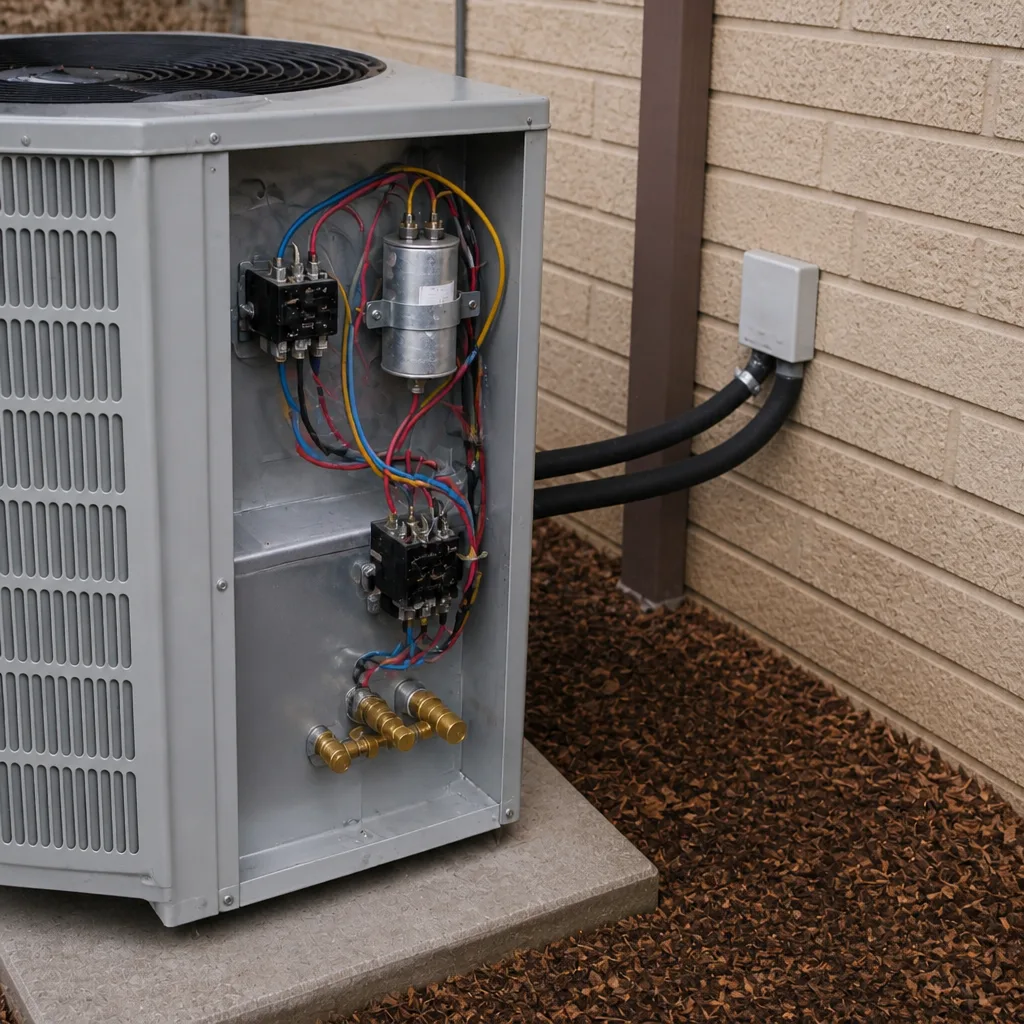
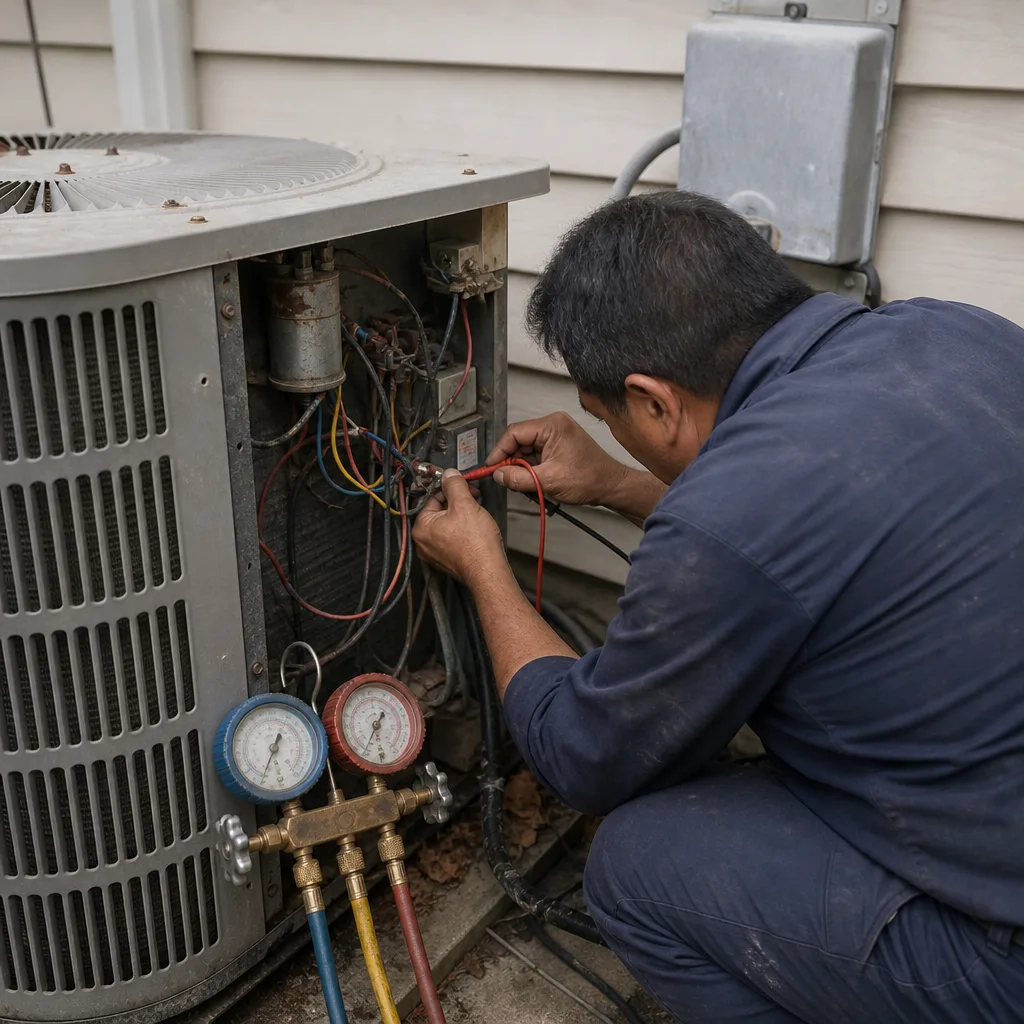
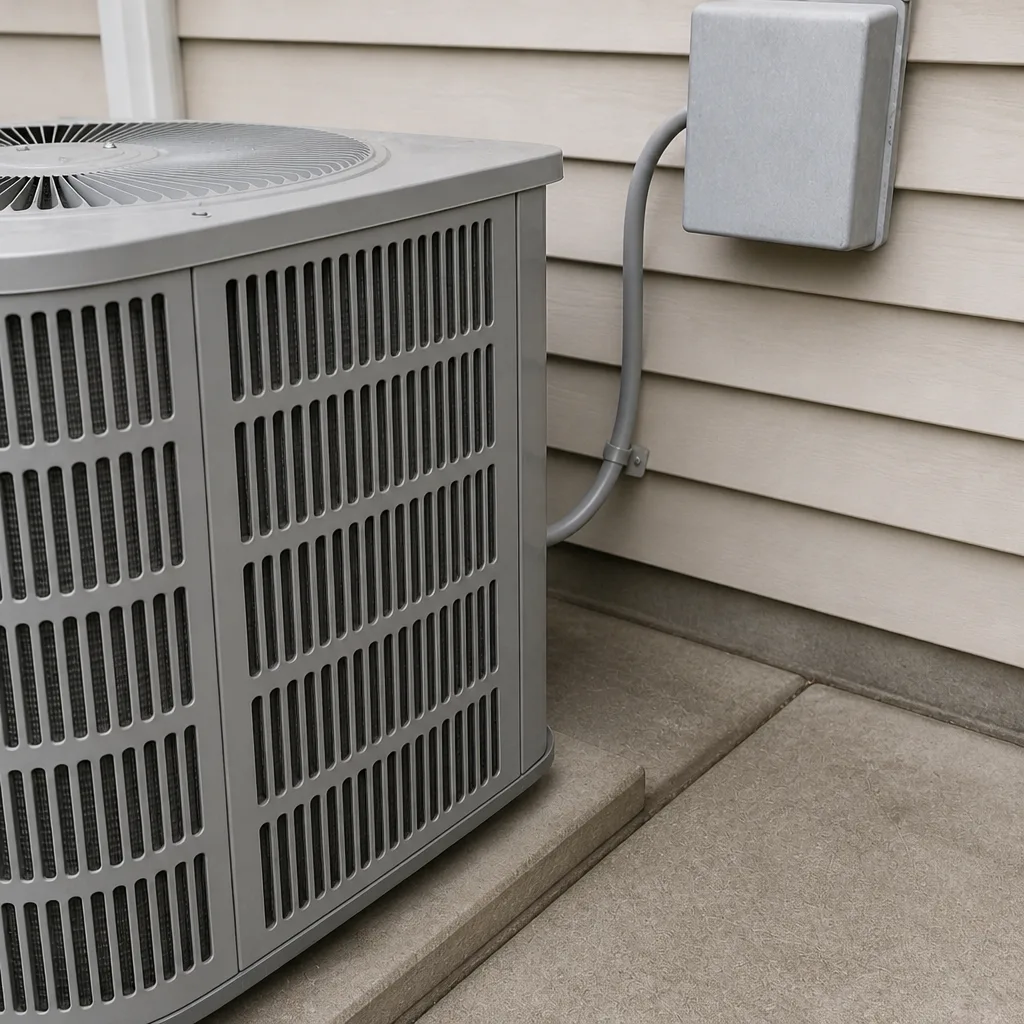
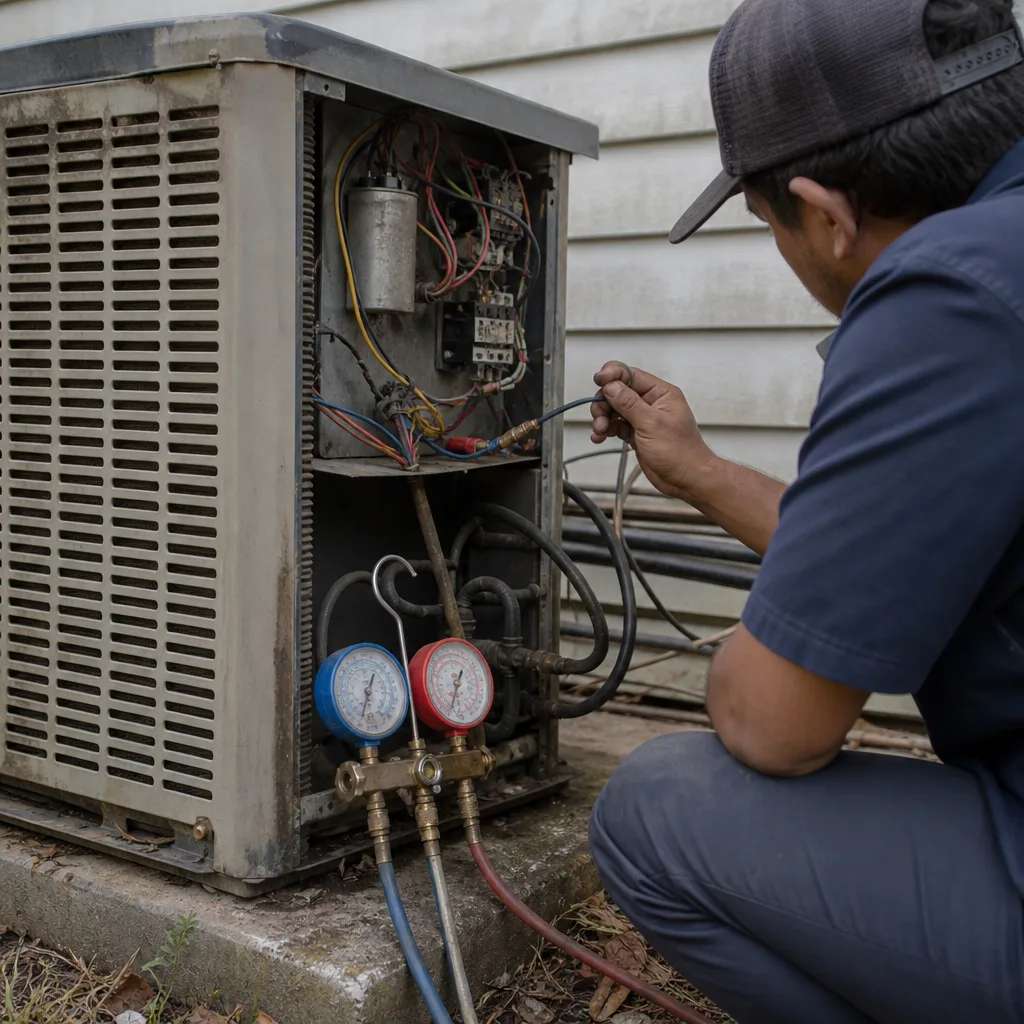
 Before
 After
 Before
 After
 Before
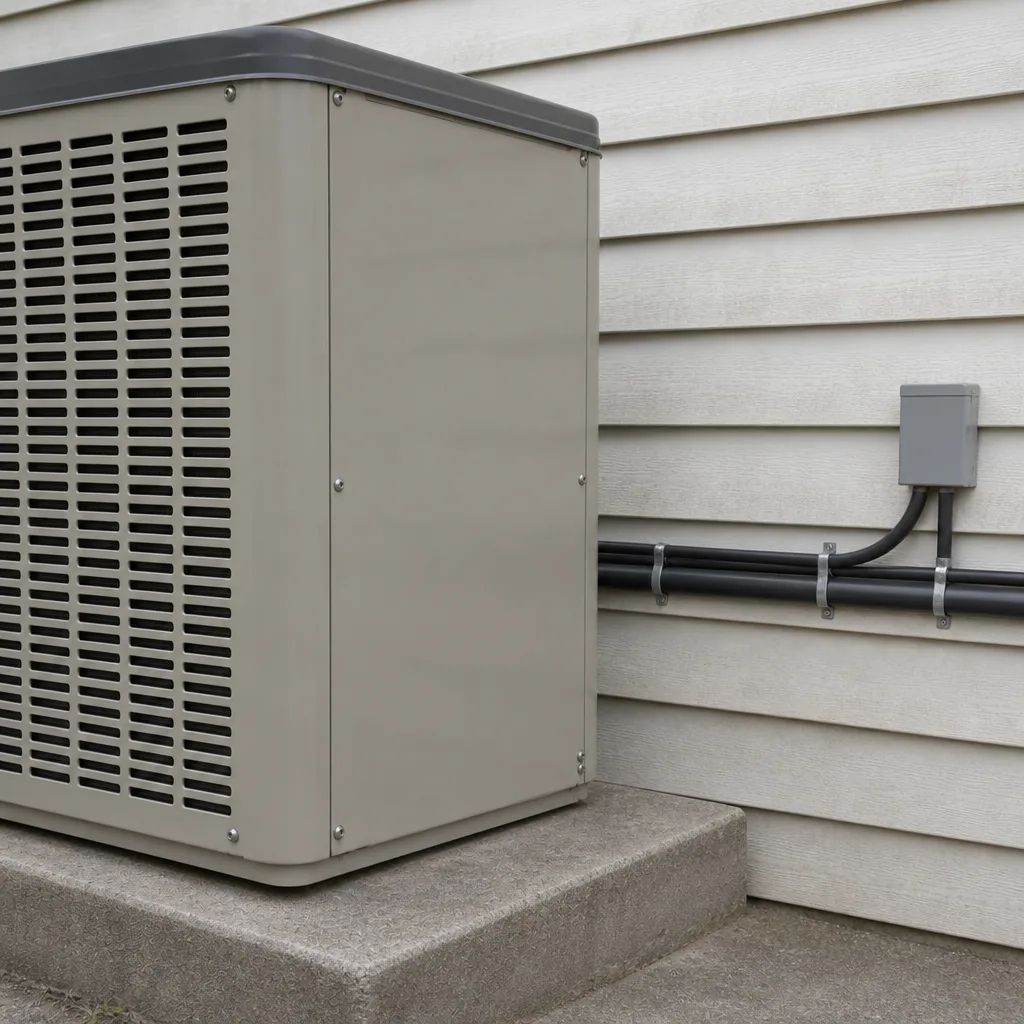 After
When to Call a Professional
Some problems are yours to handle, and some aren’t. Call a professional if you notice a refrigerant smell or the AC isn’t cooling as it should be. Call if the furnace makes a repeated click, a strange smell, or won’t stay lit. Call if you suspect a heat exchanger problem or see a cracked surface on the unit. Call if the condensate drain keeps backing up after you’ve cleared it. Call if the house holds humidity even when the AC runs. And call if a room is consistently far warmer or cooler than the rest of the house, since that’s often a duct or airflow issue.
Juniper AC Repair offers free estimates in Richardson – call (855) 419-6908. We answer 24/7, and we offer fast dispatch from 7am to 7pm, Sunday through Friday.
Frequently Asked Questions
Schedule it in March, before the first sustained heat arrives. The March window closes fast because demand pivots toward emergency calls once the hot season starts. Booking in March gets your system checked under load and gets you ahead of the rush. Call (855) 419-6908 for a free estimate.
Yes. The heat exchanger inspection is a safety check, not a comfort check, and cold snaps still arrive in Richardson. A cracked heat exchanger can let combustion gases into the living space. October is the right time because the calendar is still open. Call (855) 419-6908 to schedule.
Handle the filter changes, clearing around the outdoor unit, and confirming the condensate drain exits freely. Leave anything involving refrigerant, gas, combustion, or electrical components to a technician. Those tasks carry real risk and need proper tools and verification. A free estimate will tell you what’s actually needed.
Cooling isn’t the same as dehumidifying. An oversized or short-cycling system can cool the air without pulling enough moisture out, and leaky ducts make it worse. Richardson’s spring shoulder season is often the most humid stretch, so it’s worth a technician visit before summer. Call (855) 419-6908 for a free estimate.
It depends on the failure and the system’s age. One worn component is usually a repair. A heat exchanger failure or a major compressor failure on an aging system is usually a replacement. If the repair cost approaches replacement cost, replacement often wins. A free estimate gives you the facts before you decide.
We’re qualified to service nine widely owned HVAC brands, including Carrier, Trane, Lennox, Goodman, Rheem, York, Daikin, Bryant, and American Standard. That covers both value-tier and premium equipment. Our technicians have up to 14 years of experience, and we cover both heating and cooling. Call (855) 419-6908 to set up an estimate.
The Bottom Line
Richardson doesn’t have four equal HVAC seasons. It has two demand spikes and two narrow transition windows. The real maintenance happens in the windows: AC prep in March, heating inspection in October, duct and air quality work in the spring and fall shoulders. Humidity is a year-round discipline, not a summer chore. Keep your owner tasks and technician tasks separate, and don’t blur the line on anything involving refrigerant, gas, combustion, or electrical work. Work the calendar instead of reacting to it, and your system heads into every season checked rather than guessed at.
Call (855) 419-6908 for a free estimate. We answer 24/7. Fast dispatch from 7am to 7pm, Sunday through Friday.
Learn More
Written by the team at Juniper AC Repair.