
Last updated November 15, 2026
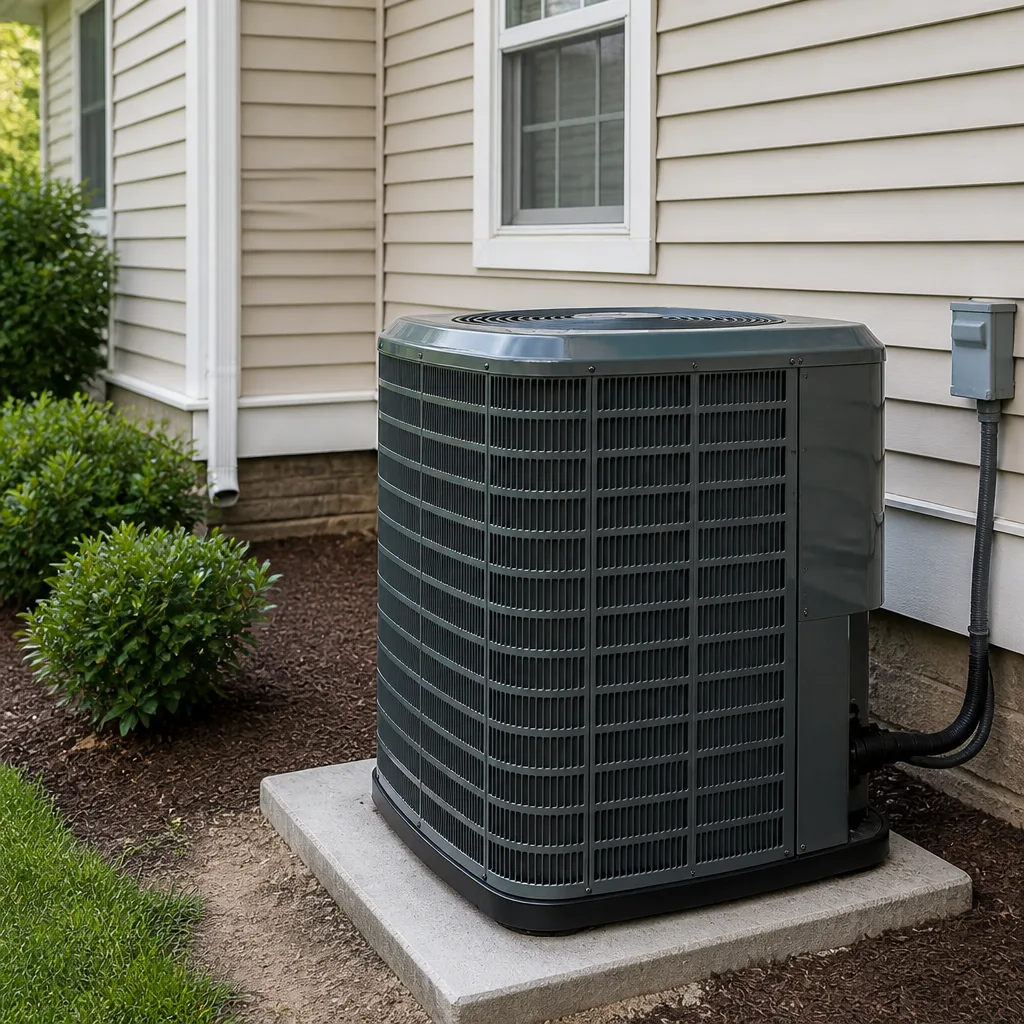 AC repair
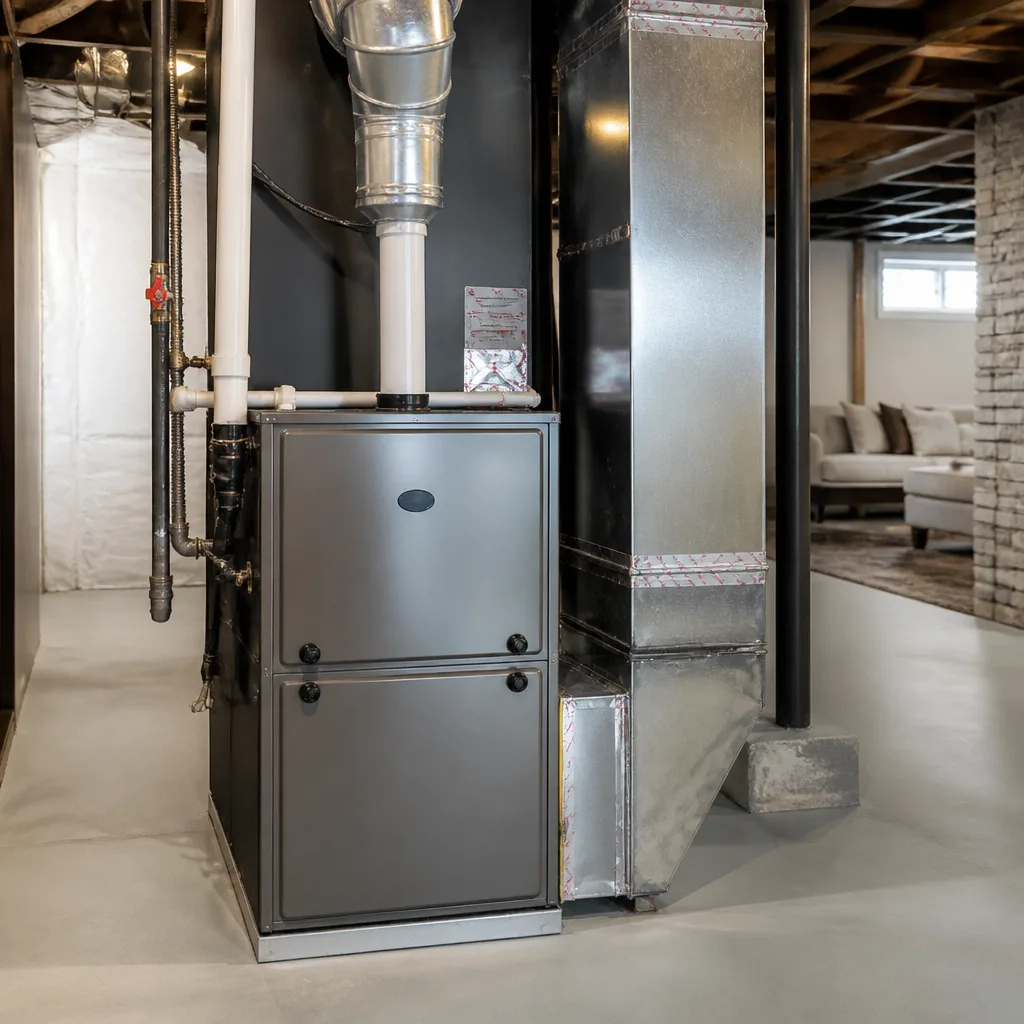 Furnace & heating
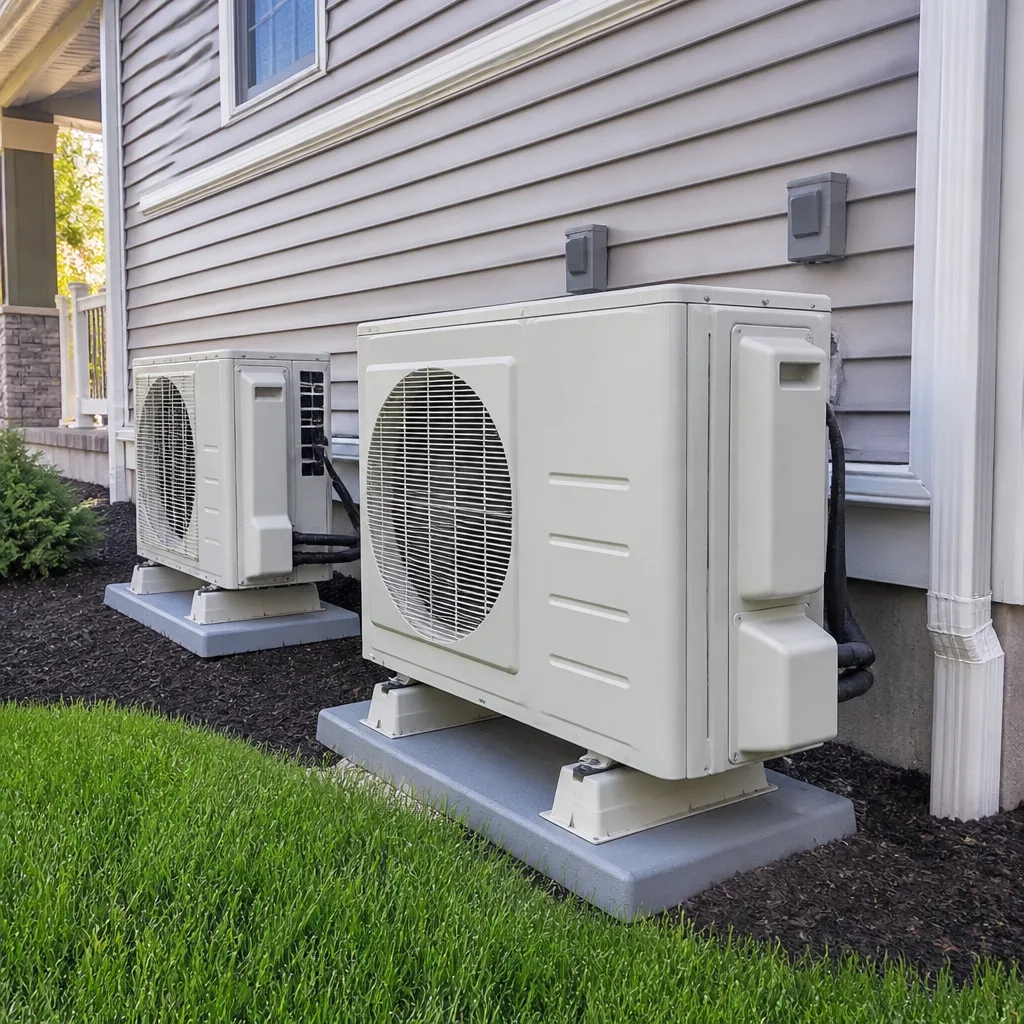 Heat pumps
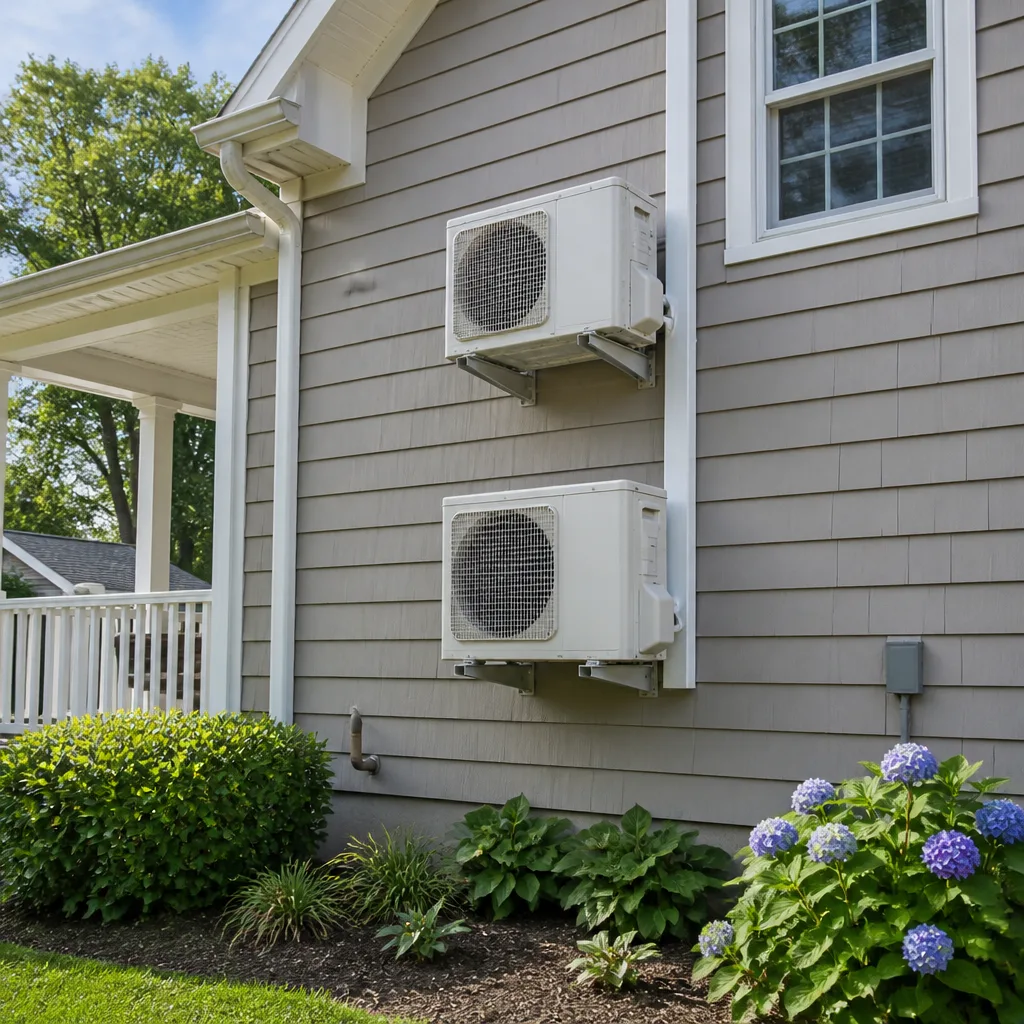 Ductless mini splits
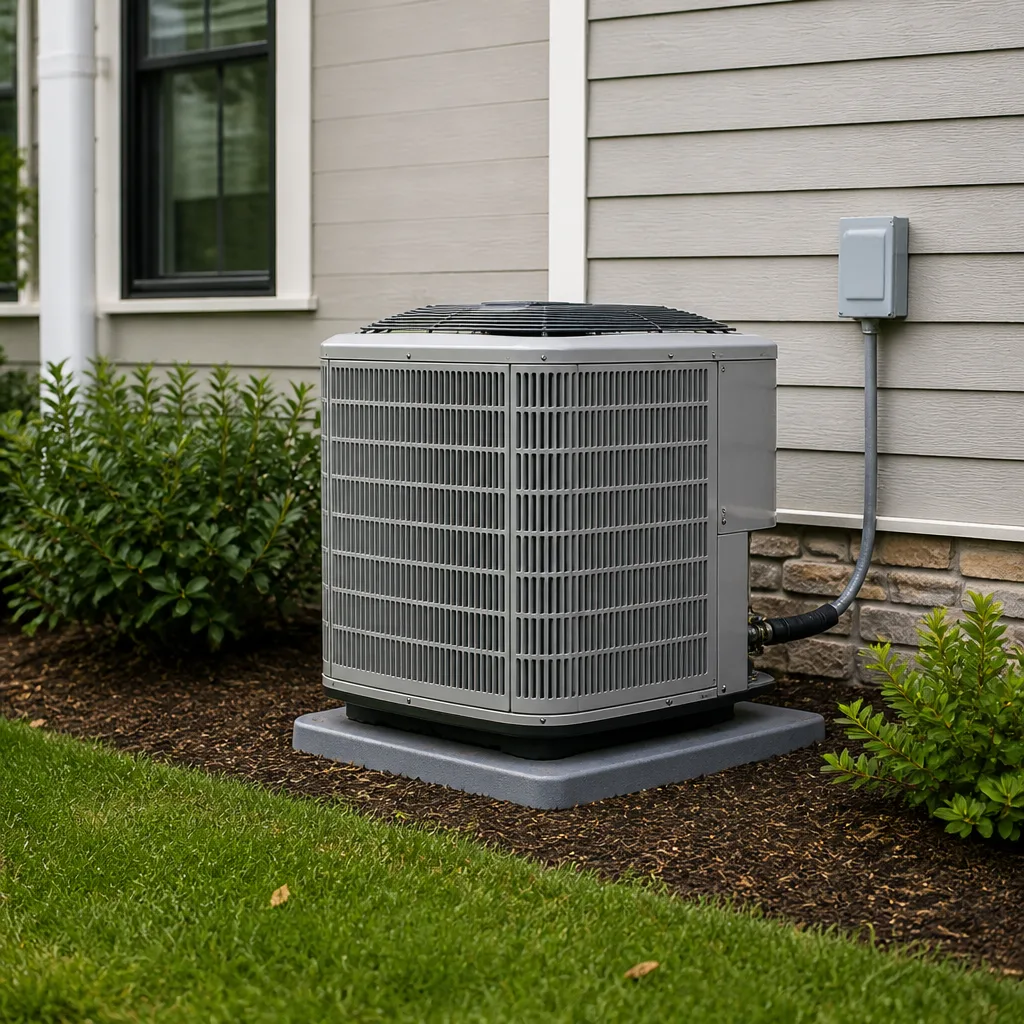 Carrier
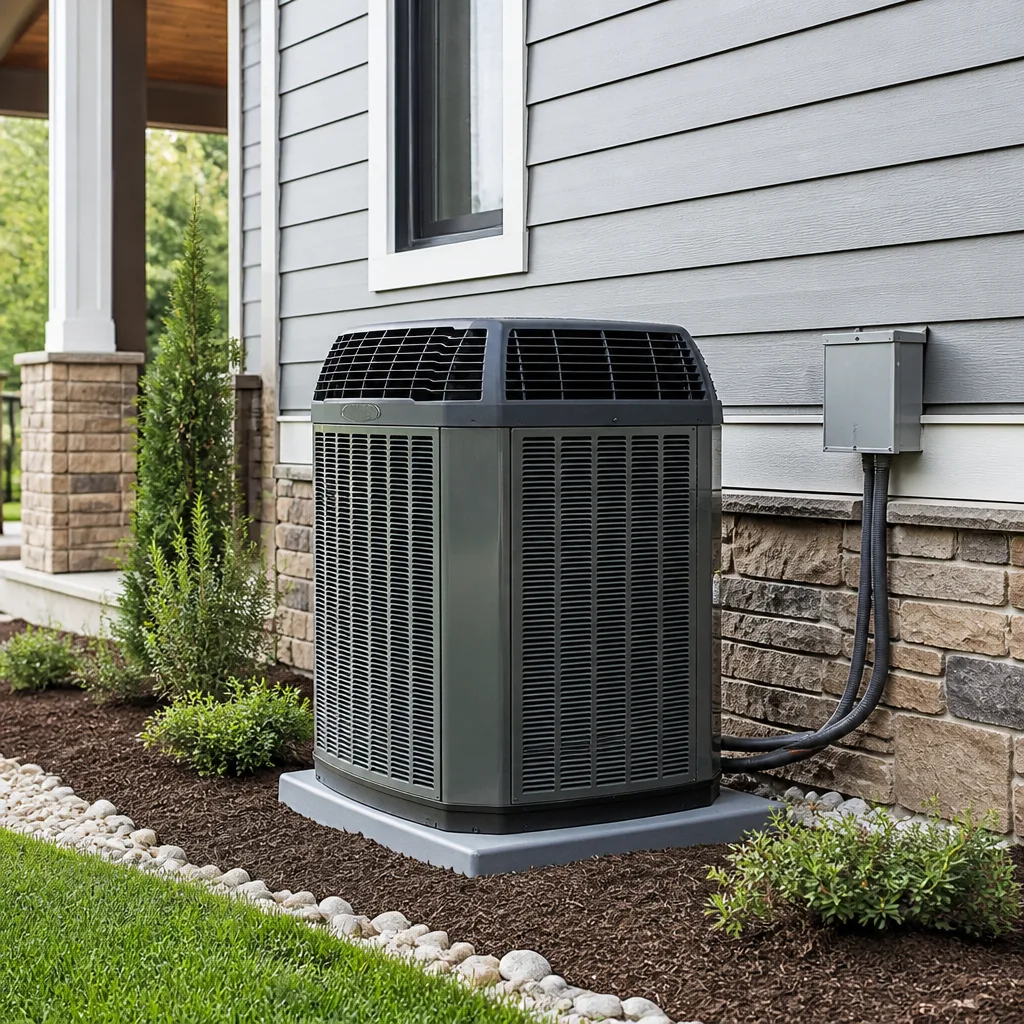 Trane
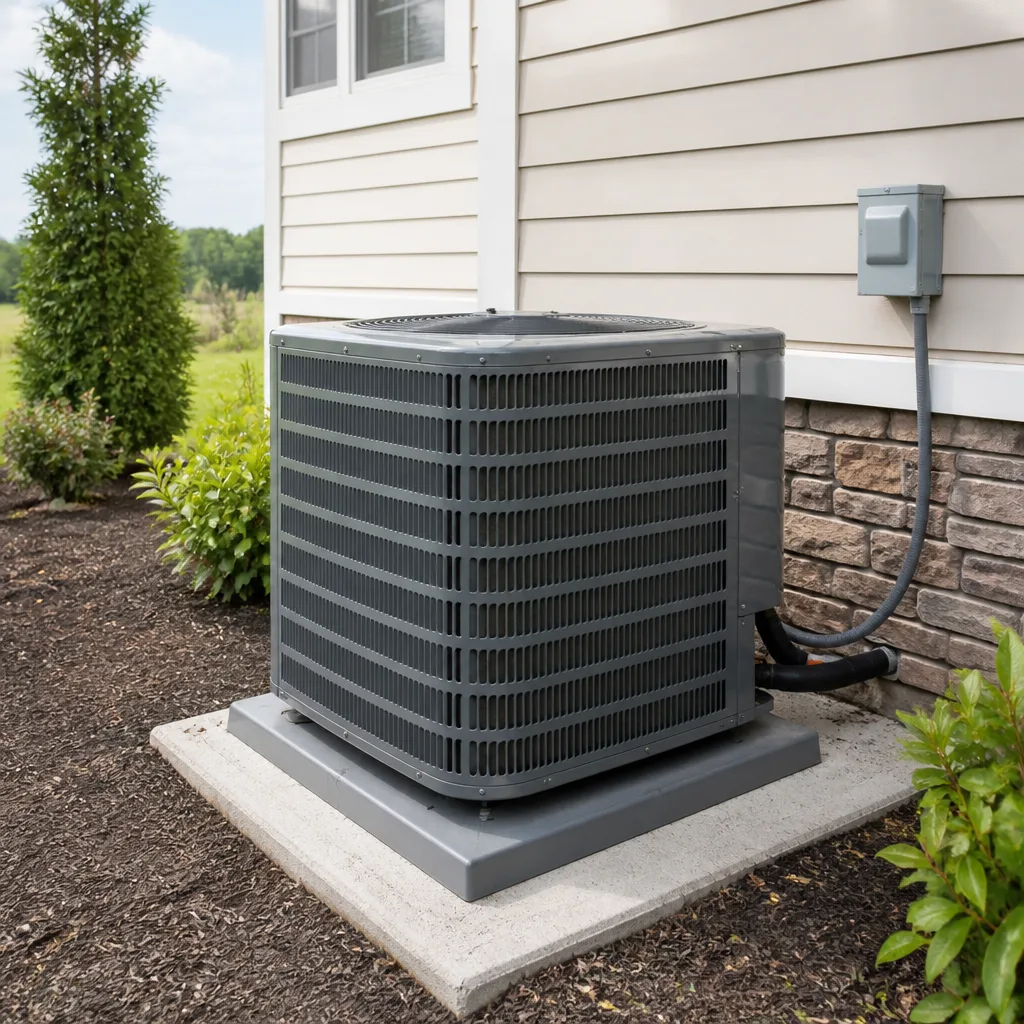 Goodman
Seasonal tune-up and full diagnostic on your Carrier, Trane, or Goodman system - readings shown to you before any repair is proposed
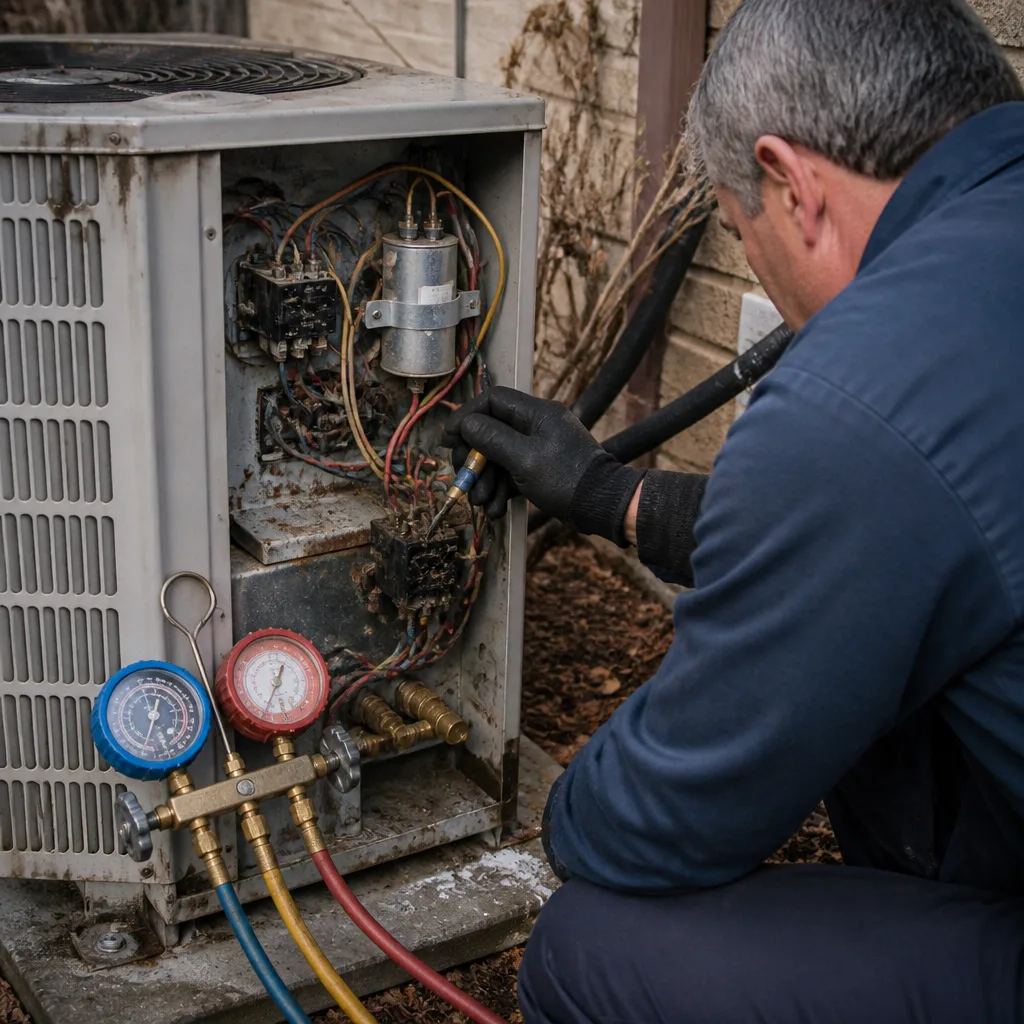
Diagnosis first, numbers second - you approve the repair price before a single part goes in.
Get your free estimateHVAC Cost Breakdown: The Richardson Homeowner’s Reference for 2026
Most HVAC cost guides open with a national average that tells you almost nothing about what you’ll actually pay in Richardson. Replacing a system here in July is a different financial event than replacing one in November, and the reasons aren’t mysterious: summer demand tightens the labor market, equipment availability shifts, and permit costs add a fixed layer that national averages ignore entirely. This guide breaks the real numbers down by system type, home size bracket, and season so you can walk into a bid conversation with a target number instead of a shrug. We’ll cover what a Richardson HVAC permit costs, where invoices commonly hide padding, and how to compare contractor financing against home equity options before you sign anything.
Quick Answer
In Richardson for 2026, a typical AC replacement runs roughly $7,500 to $12,000 for a mid-size home, a furnace replacement runs about $3,500 to $7,000, and a full system replacement with matched components lands between $10,000 and $18,000. Ductwork work adds $3,000 to $8,000 depending on how much of the system needs replacement. These are estimates for planning purposes only: the written estimate for your specific home sets the final price, and it should be in your hands before any work begins.
Styles & brands we work with
- AC repair
- Furnace & heating
- Heat pumps
- Ductless mini splits
- Carrier
- Trane
- Goodman
Table of Contents
- What Does AC Replacement Cost in Richardson?
- What Does Furnace Replacement Cost in Richardson?
- Full System Replacement and Ductwork Costs by Home Size
- How Seasonal Timing Affects Your Price
- Richardson HVAC Permits and Inspection Fees
- Line-by-Line Invoice Breakdown: Where Padding Hides
- Financing Offers vs. Home Equity for Large Replacements
What Does AC Replacement Cost in Richardson?
AC replacement in Richardson typically costs $7,500 to $12,000 for a standard single-family home, with premium systems and complex installations running higher. The range is wide because cooling equipment has to match the house, not a price sheet. A 1,800-square-foot ranch home with clear attic access and existing ductwork that’s in decent shape sits near the bottom of that range. A two-story home with a second-story unit, tight equipment closet, or ductwork that needs rework sits nearer the top.
What drives the number:
- Tonnage and equipment tier. A value-tier unit in the 2-ton range and a premium two-stage or variable-speed system in the 4-ton range are not in the same conversation. We work with Carrier, American Standard, and Daikin systems regularly, and the gap between entry-level and top-tier equipment in the same tonnage class is substantial.
- Ductwork condition. If a load calculation shows the existing ducts can’t move the required air volume, they get replaced or modified, and that’s a separate cost line.
- Refrigerant type. The transition away from older refrigerants means some replacements require line-set changes or component compatibility checks. That’s labor and material, not a hidden fee.
- Electrical and disconnect work. Older Richardson homes sometimes need updated electrical connections at the outdoor unit to meet current code.
If you want to understand how your existing equipment measures up before committing to a replacement, a professional assessment will tell you the actual condition of your system rather than judging by age alone. You can learn more about what AC installation involves and what the process looks like from load calculation through commissioning.
What Does Furnace Replacement Cost in Richardson?
Furnace replacement in Richardson typically runs $3,500 to $7,000, with the wide spread driven by efficiency tier, physical size, and whether the existing flue and gas connections meet current code. Milder winters here don’t mean furnaces get less wear; they cycle heavily during the few weeks of real cold and often sit underserviced between seasons, which shows up at failure time as a replacement rather than a repair.
What affects furnace cost in this market specifically:
- Efficiency tier: Standard efficiency units cost less upfront; high-efficiency condensing units cost more but require different venting and condensate handling, which adds installation labor.
- Flue and venting: Older Richardson homes with metal flues sometimes need venting upgrades to meet current code when changing equipment efficiency class.
- Physical access: A furnace in a tight closet or attic crawl space takes longer to remove and reinstall than one in an open utility room, and labor reflects that.
- Gas line sizing and connections: Gas work requires a licensed trade, and if the existing line or shutoff doesn’t meet current standards, that’s a required correction, not an optional add-on.
Gas lines are not a component to inspect or adjust yourself. If you smell gas, get out of the house and call your utility, then call us once the situation is safe. For planned work, a technician handles the gas connection and the code check at the same visit. Our trained professionals work on Bryant and Lennox furnaces alongside the other major brands, and furnace repair is the right first call when the unit is down: a diagnostic distinguishes between a part that failed and a system at end of life before you commit to replacement dollars.
Full System Replacement and Ductwork Costs by Home Size
A full system replacement (outdoor condenser, indoor coil, air handler or furnace, and any necessary line-set or ductwork work) is almost always more economical than replacing each side separately, and it lets the equipment match tonnage and refrigerant correctly. In Richardson, a matched replacement without ductwork typically runs $10,000 to $15,000; with meaningful ductwork work, it climbs to $18,000 or more.
Here’s the planning-by-home-size guide we use when a homeowner is budgeting:
- Under 1,500 sq ft: $9,000 to $13,000 for a full matched system, assuming ductwork is serviceable.
- 1,500 to 2,500 sq ft: $11,000 to $16,000, with two-story homes at the upper end of the range.
- 2,500 to 3,500 sq ft: $14,000 to $20,000, often with two separate systems or zoned equipment.
- Over 3,500 sq ft: $18,000 and up, based on the number of zones and equipment count.
- Ductwork only: $3,000 to $8,000, depending on how much of the system is being replaced and whether the attic permits full rigid duct versus flex.
These are estimates for planning, and a full replacement estimate should always be accompanied by a room-by-room load calculation. If a contractor quotes a full system without one, that’s a flag: matching equipment tonnage to actual house loads is the difference between a system that runs efficiently and one that short-cycles its way through the cooling season.
How Seasonal Timing Affects Your Price
Summer in Richardson is the busiest and most expensive time to replace cooling equipment. It’s not a surcharge: it’s a supply-and-demand effect. Equipment inventories tighten, crews book out further, and a homeowner whose system failed at the end of a 15-year run in August faces less negotiating room because they need the work done now. A homeowner scheduling the same work in November has time to compare quotes, wait for equipment lead times, and ask for a straight answer on what’s actually necessary.
The seasonal reality on both sides:
- Peak cooling season (roughly May through September): Highest demand, shortest equipment supply, tightest schedules. Emergency replacements cost more than planned ones, not because of an official surcharge but because the job gets fitted into a schedule that’s already full.
- Fall shoulder season (October and November): The best window for cooling-side replacement. The house doesn’t need to stay cool during the work, and both labor and equipment are easier to schedule.
- Late winter and early spring: Furnace replacement is easier to schedule between heating demand periods, and this is the natural moment to address heating equipment before the next cold snap.
Planning ahead beats an emergency on both sides. If an older system shows repeated failures during one season, scheduling the replacement during the off-season for that equipment type is one of the clearest ways to manage the final cost.
Richardson HVAC Permits and Inspection Fees
Any HVAC replacement in Richardson requires a permit and at least one inspection, and that fact alone is worth checking before you sign a contract. Permit fees are set by the city and vary based on the scope and valuation of the work, so the fee is not one fixed number across all jobs. A like-for-like condenser swap and a full system changeout carry different permit costs.
Which costs are fixed versus variable:
- Fixed: The permit application itself and the inspection scheduling, which exist on every permitted job regardless of size.
- Variable: The fee schedule is tied to the declared valuation and scope, so a larger system changeout costs more than a single-component replacement.
- Variable: If an inspection finds code issues (venting, electrical, clearances), a re-inspection or correction adds cost and time.
Ask the following questions before you sign:
- Is the permit included in this bid, or will it be billed separately?
- Who pulls the permit: your company or me?
- What does the inspection step look like, and who’s responsible for correcting anything the inspector flags?
An unpermitted installation is a problem at resale and can void manufacturer warranties. If a bid doesn’t address permits directly, ask, and be wary of an answer that shrugs off the requirement. For current Richardson permit fee schedules, confirm with the city’s building department directly, since fees are reviewed and updated.
Line-by-Line Invoice Breakdown: Where Padding Hides
A transparent HVAC invoice has five planned line categories: equipment, labor, refrigerant, permits, and disposal of the old equipment. If your estimate has ten categories and none of them are clearly labeled, that’s the moment to ask questions before work starts.
What to look for in each line:
- Equipment: Model number and tonnage should be listed specifically. A generic “AC system” line is hard to price-check; a model number lets you verify tier and size independently.
- Labor: Priced per job, not open-ended. Labor on a like-for-like replacement is a known quantity for a competent installer, and an open hourly estimate invites drift.
- Refrigerant: A line for refrigerant charge is legitimate; a line that lists both the equipment price and a refrigerant cost embedded in a different category is worth asking about.
- Permits: Should match what the city charges and should be visible, not bundled into an “administrative” line.
- Disposal: Old equipment doesn’t walk away by itself, and hauling has a real cost. A transparent bid lists it.
Padding shows up most often in three places: vague scope on a line you can’t verify, a labor line that’s hourly rather than fixed, and change orders inserted mid-job without a revised estimate. The fix is to get every line itemized and confirmed in writing before the first day of work. No-surprise service means the estimate and the invoice match; if the scope changes, you get the new number before the work proceeds.
Financing Offers vs. Home Equity for Large Replacements
When a full system replacement lands at $12,000 or more, financing is a live question. The two main routes are contractor-offered financing and home equity, and they work very differently.
What to look at before you choose:
- Contractor financing: Convenient because it’s arranged with the bid, but read the actual rate and term. Promotional rates often convert to a higher standard rate if the balance isn’t paid within the promotional period, and dealer financing is sometimes tied to a specific equipment brand or model.
- Home equity line or loan: Usually a lower rate if you have equity, and no restriction on which contractor or equipment you choose. The application and approval process takes longer than a dealer financing application.
- Credit card: Worth considering only if you can pay the balance before the interest period ends. Otherwise, the rate on a large revolving balance can outpace the other two options.
Before signing a contractor financing agreement, ask three questions: what’s the actual rate after the promotional period, what happens if I pay it off early, and is the financing tied to a specific equipment tier. Financing is a tool, and the right choice depends on your equity, cash position, and whether the contractor’s offer is competitive with what your bank offers. A written bid that includes financing terms alongside the equipment spec makes that comparison possible without a second meeting.
Common Mistakes to Avoid
- Comparing bids on a single number. A cheaper bid may exclude permits, disposal, or a thermostat, and those add up. Compare line items side by side, not just the total.
- Skipping the load calculation. A contractor who sizes equipment by square footage alone is guessing. Room-by-room load calculation is the foundation of a correctly sized system.
- Replacing only the outdoor unit. A mismatched condenser and indoor coil doesn’t deliver rated efficiency and can shorten equipment life. Matched systems exist for a reason.
- Ignoring ductwork. New equipment connected to leaky or undersized ducts performs below spec. If the ducts can’t deliver the air, the new system can’t fix it.
- Scheduling a replacement mid-summer without comparing quotes. In Richardson, summer demand makes it harder to get multiple bids on the same timeline. If you can plan ahead, do it.
- Letting a rebate offer drive the decision. Manufacturer promotions and utility rebates can tip a close decision, but never justify choosing a system that’s wrong for the house. Check eligibility before you count on it.
- Not asking about permits. An unpermitted job carries real risk at resale and can compromise the manufacturer warranty. Ask, and get the answer in writing.
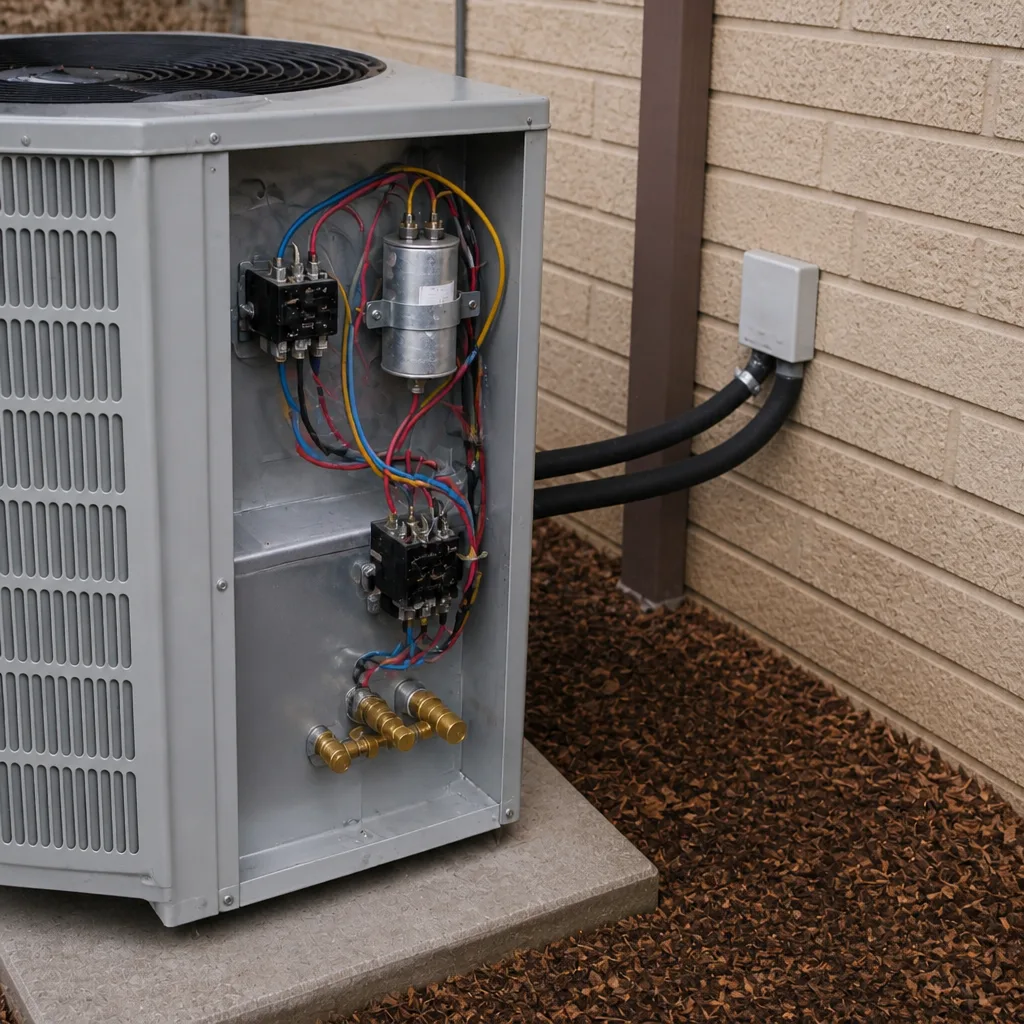
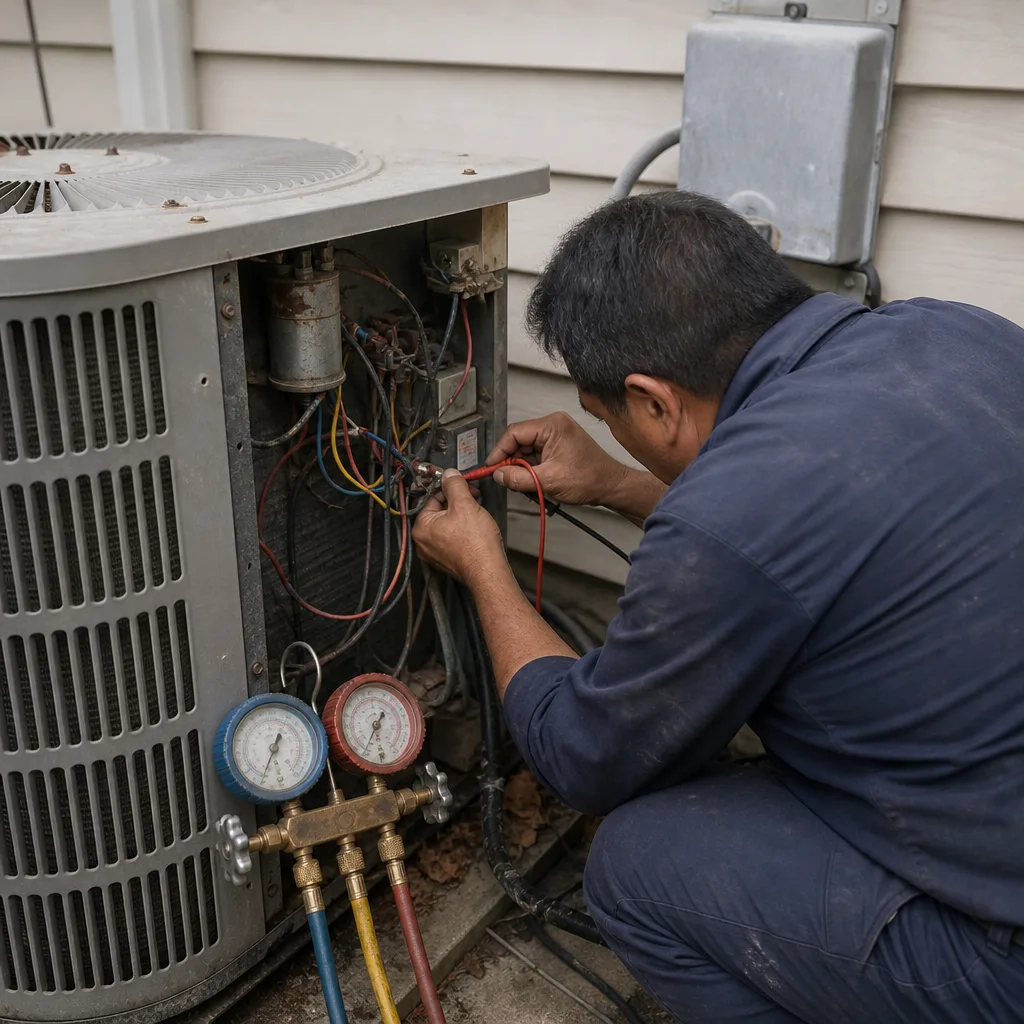
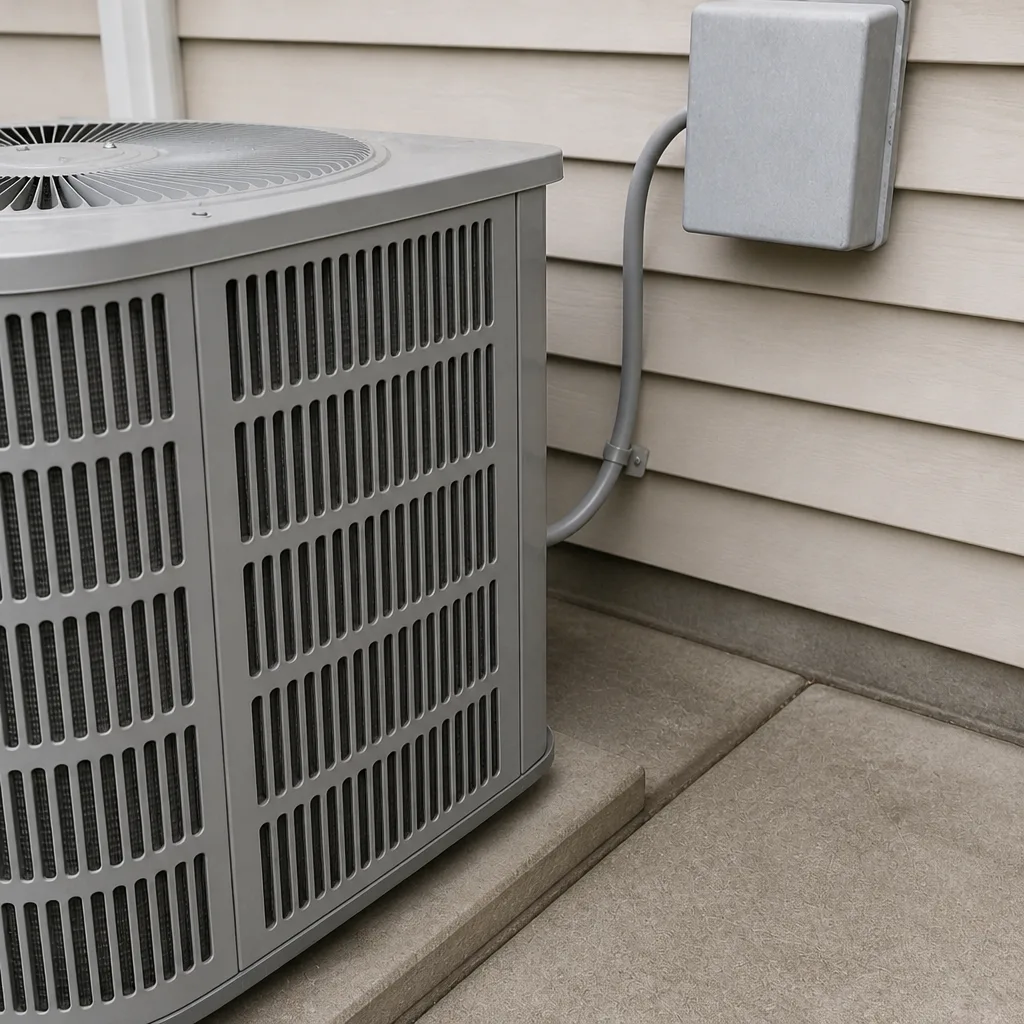
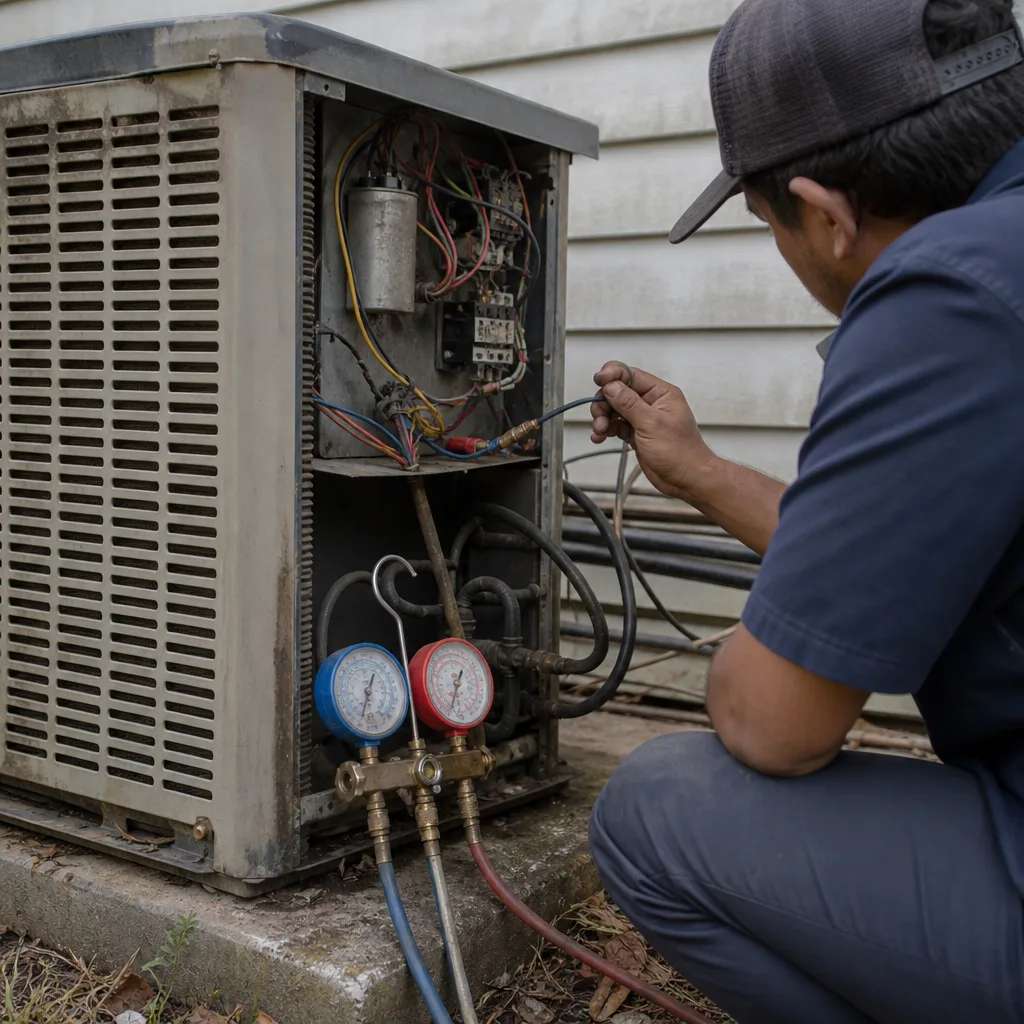
See the difference
 Before
 After
 Before
 After
 Before
 After
When to Call a Professional
Call a professional when a system shows any of the following: repeated breakdowns across multiple seasons, refrigerant leaks, cooling or heating output that no longer keeps up with the house, or a unit that’s approaching the end of its expected service life. If you smell gas, leave the house first, then call your utility and us after. Electrical work at the disconnect or panel is a hands-off zone; a licensed technician handles that. If a system fails on a Saturday, we’re closed that day, but you can call and we’ll book you for Sunday. Juniper AC Repair offers free estimates in Richardson: call (855) 419-6908. We answer 24/7. Fast dispatch from 7am to 7pm, Sunday through Friday. Our technicians have up to 14 years of experience and work on nine major brands, so a technician arrives knowing your equipment rather than learning it on your driveway.
Frequently Asked Questions
A full HVAC replacement in Richardson typically runs $10,000 to $18,000 for a typical single-family home, depending on system size, equipment tier, and ductwork condition. Homes under 1,500 square feet sit at the lower end; homes over 2,500 square feet with two zones sit at the upper end or above. A written estimate with a load calculation behind it sets the final price. Call (855) 419-6908 for an exact quote; estimates are free.
Yes, generally. Fall shoulder season is the easiest time to replace cooling equipment because demand drops, equipment is easier to source, and there’s more scheduling flexibility. The difference isn’t a formal discount; it’s the practical cost of emergency versus planned work in a hot market. If your system is aging but still running, planning the replacement before summer is the lower-cost path.
Yes. HVAC replacements require a permit and at least one inspection. Permit fees vary with the scope and valuation of the work, and an inspection that flags a code issue can add cost and time. Ask your contractor whether the permit is included in the bid and who pulls it. For current fee schedules, confirm with the city’s building department, since those fees are reviewed periodically.
Padding usually shows up in vague equipment lines with no model number, open-ended hourly labor instead of a fixed price, “administrative” fees that bundle permit costs invisibly, and mid-job change orders without a revised estimate. A transparent bid itemizes equipment, labor, refrigerant, permits, and disposal, each with a clear scope. If a line can’t be explained on request, that’s a sign to ask harder questions before you sign.
It depends on the terms. Contractor financing is convenient, but read the rate after any promotional period and check whether it’s tied to a specific equipment brand or model. A home equity line or loan usually carries a lower rate if you have equity and lets you choose any contractor and equipment. Compare the actual rate, term, and early payoff terms side by side before choosing.
Often, yes, and a diagnostic is the right first step. A technician diagnoses what failed and tells you honestly whether a repair buys more service life or whether you’re close enough to the end that replacement is the better use of the money. We service Carrier, Bryant, American Standard, Daikin, and five other major brands. Call (855) 419-6908; estimates are free and the diagnostic is the starting point, not a sales pitch.
The Bottom Line
The national average for HVAC replacement is a starting reference, not a Richardson price. The real numbers here: AC replacement $7,500 to $12,000, furnace replacement $3,500 to $7,000, and a full matched system $10,000 to $18,000 before ductwork. Timing matters more than most homeowners expect, permits and inspections are a required cost line, and a transparent invoice itemizes equipment, labor, refrigerant, permits, and disposal. Get the estimate in writing with a load calculation behind it. Compare financing terms before you sign. And if a system is down now, call (855) 419-6908 for a free estimate. We answer 24/7. Fast dispatch from 7am to 7pm, Sunday through Friday. For Richardson homeowners, the goal is simple: the right number before you commit, and one company for both seasons. We’re Juniper AC Repair, and we cover Richardson for both cooling and heating work.
Written by the team at Juniper AC Repair.