
Last updated November 15, 2026
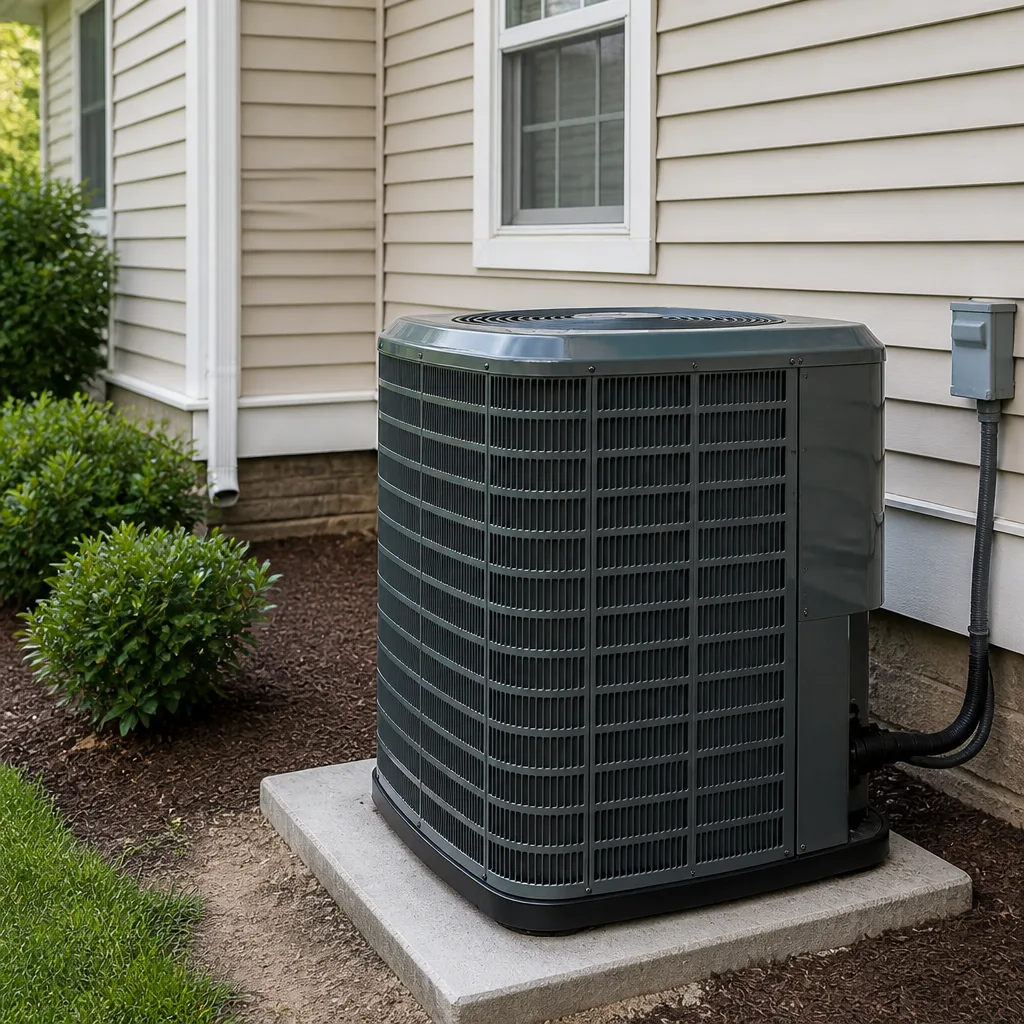 AC repair
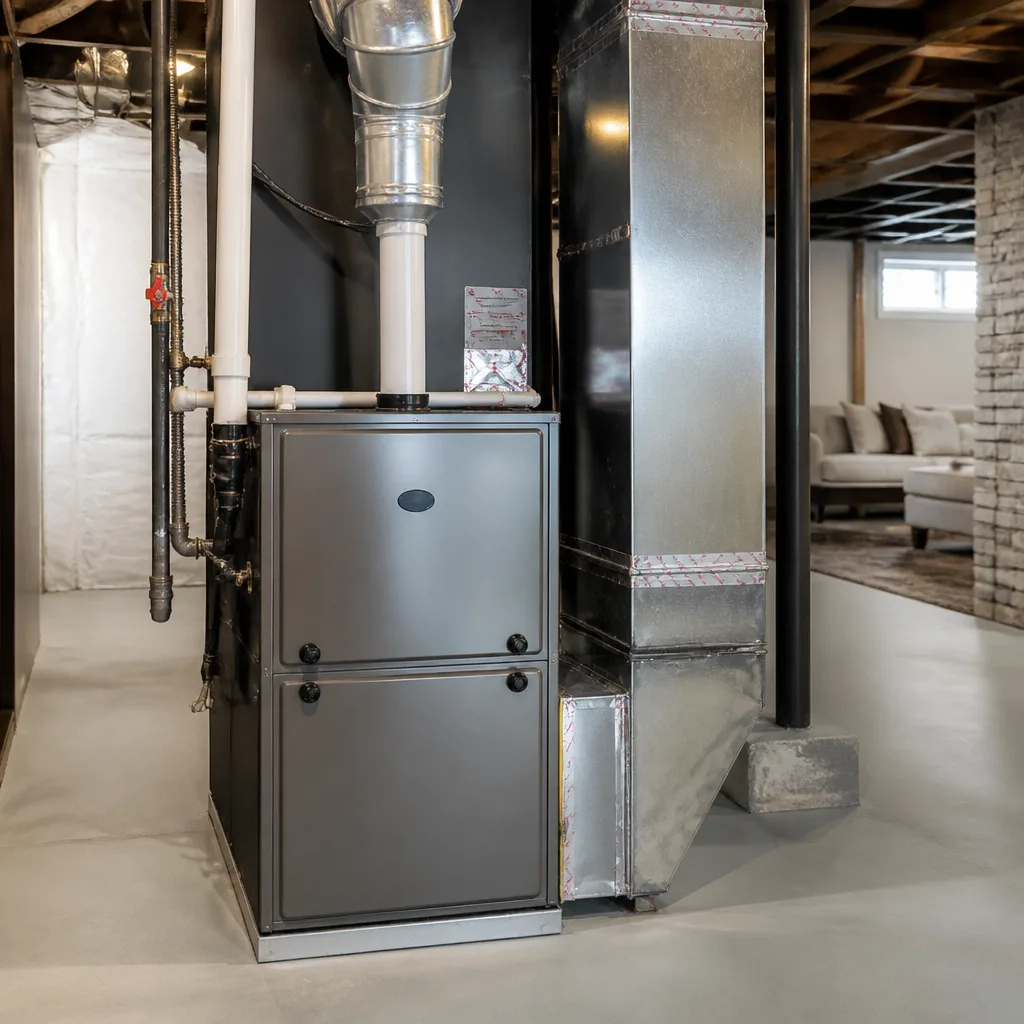 Furnace & heating
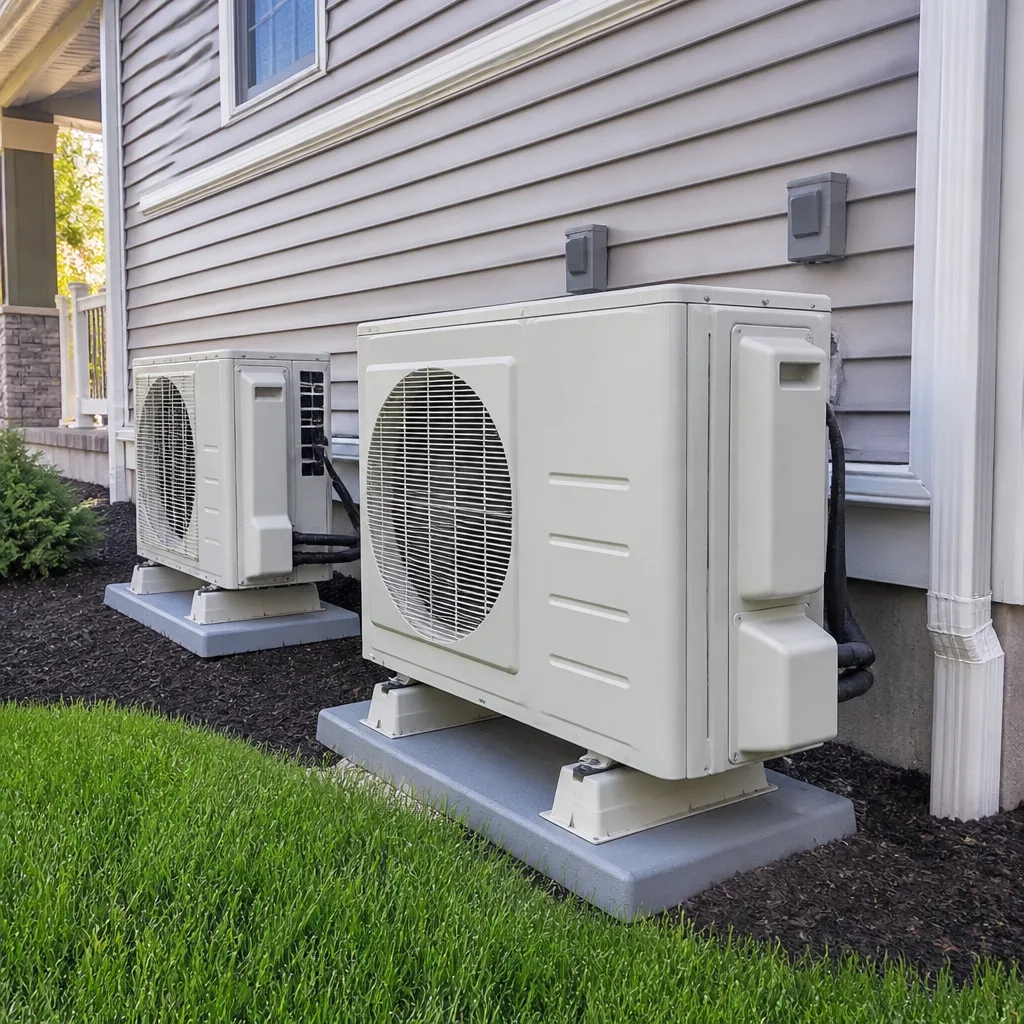 Heat pumps
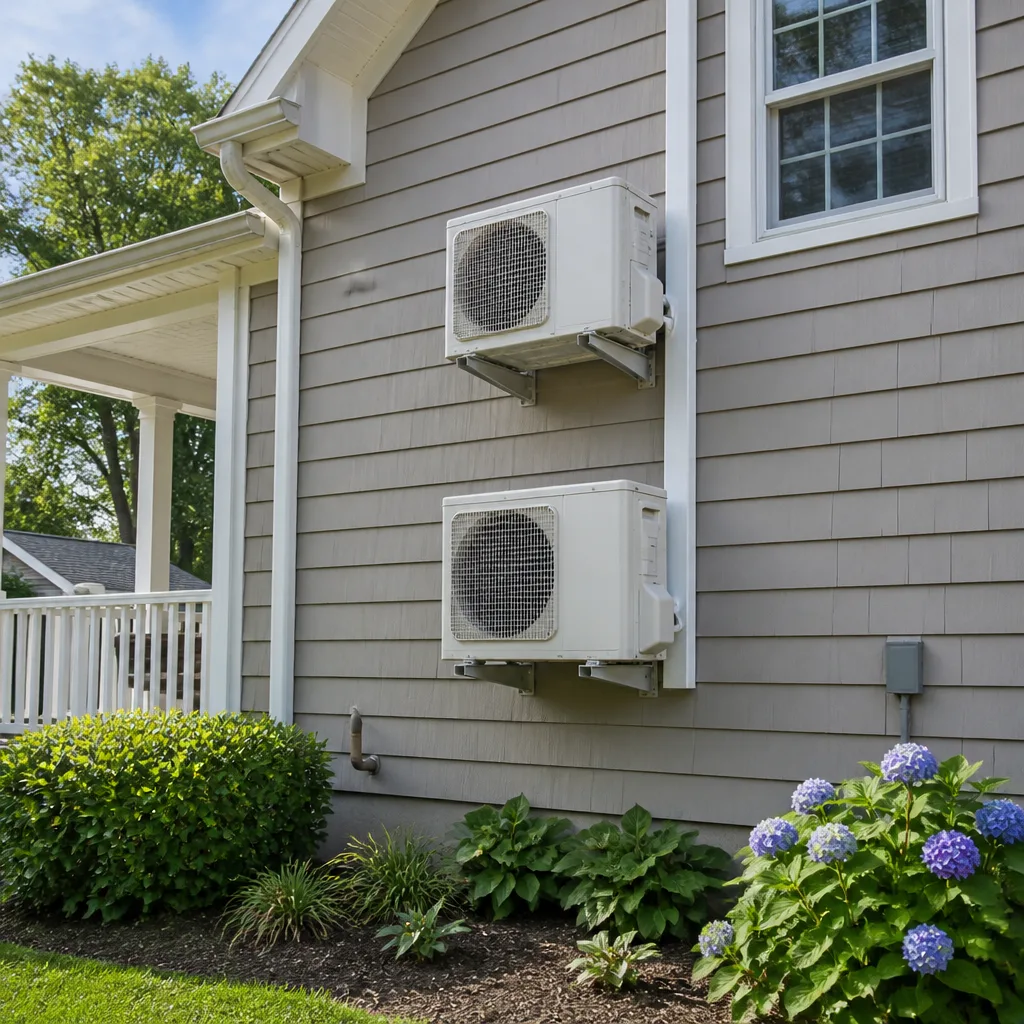 Ductless mini splits
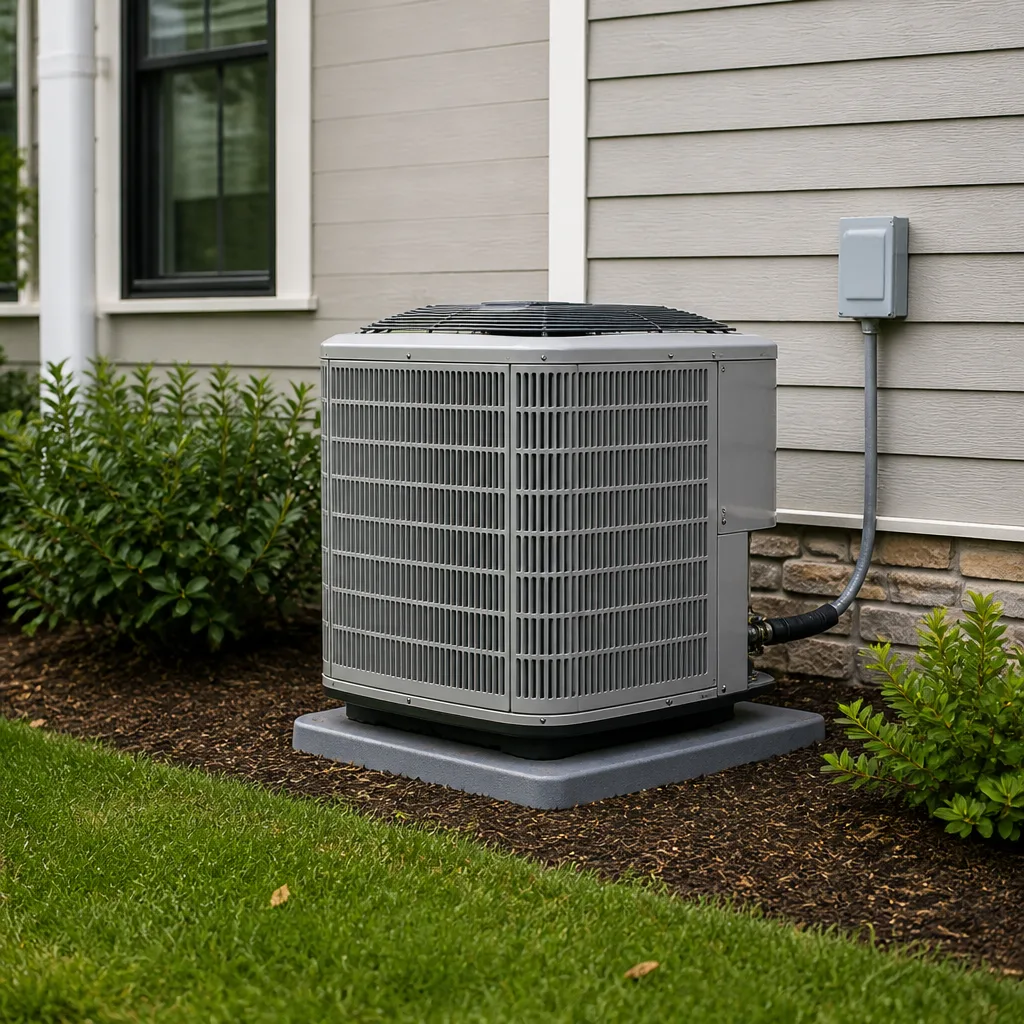 Carrier
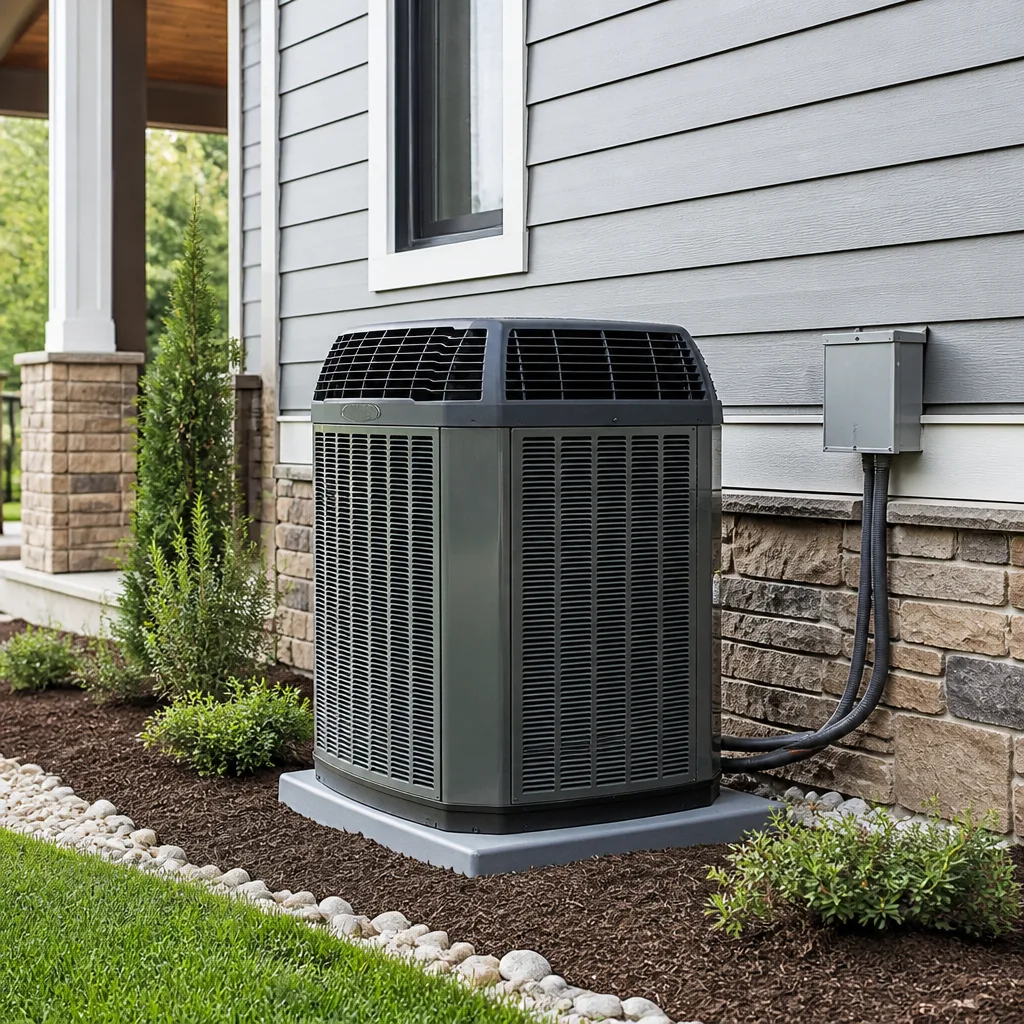 Trane
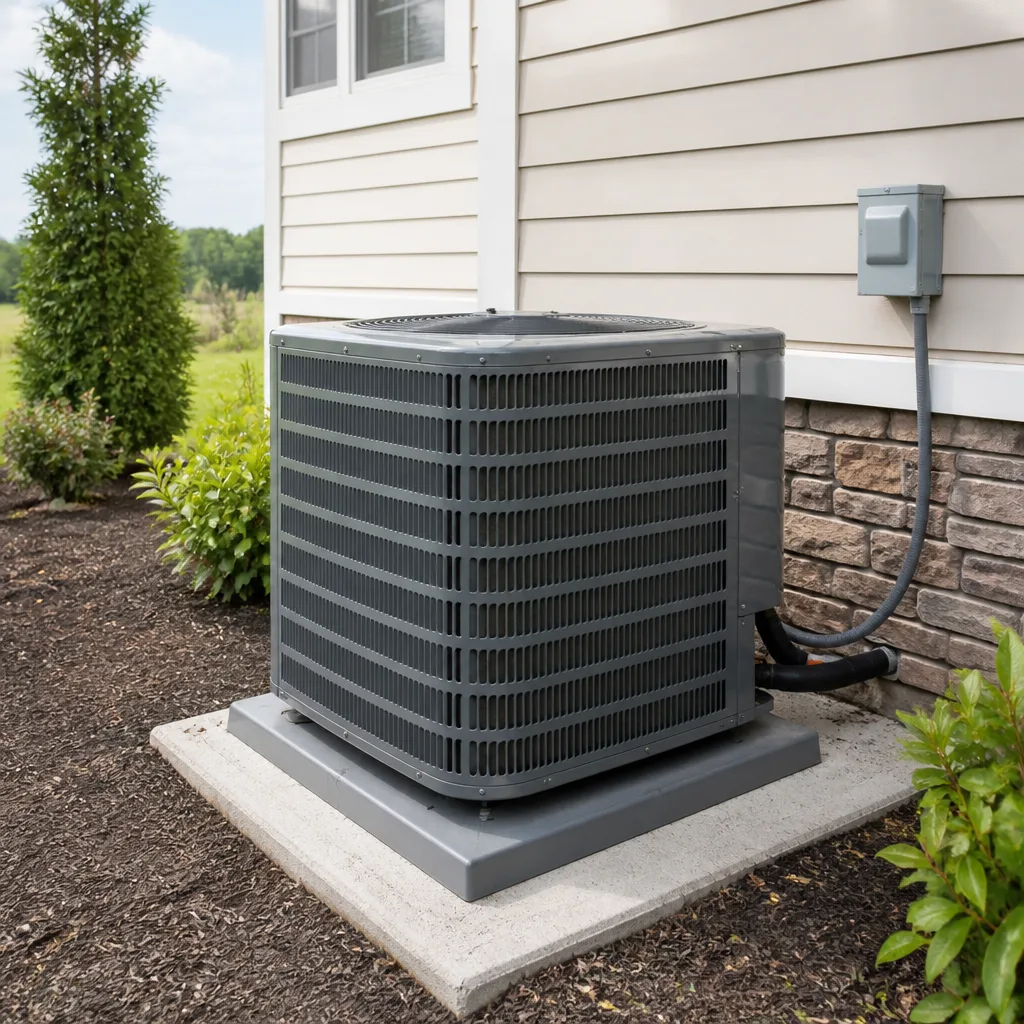 Goodman
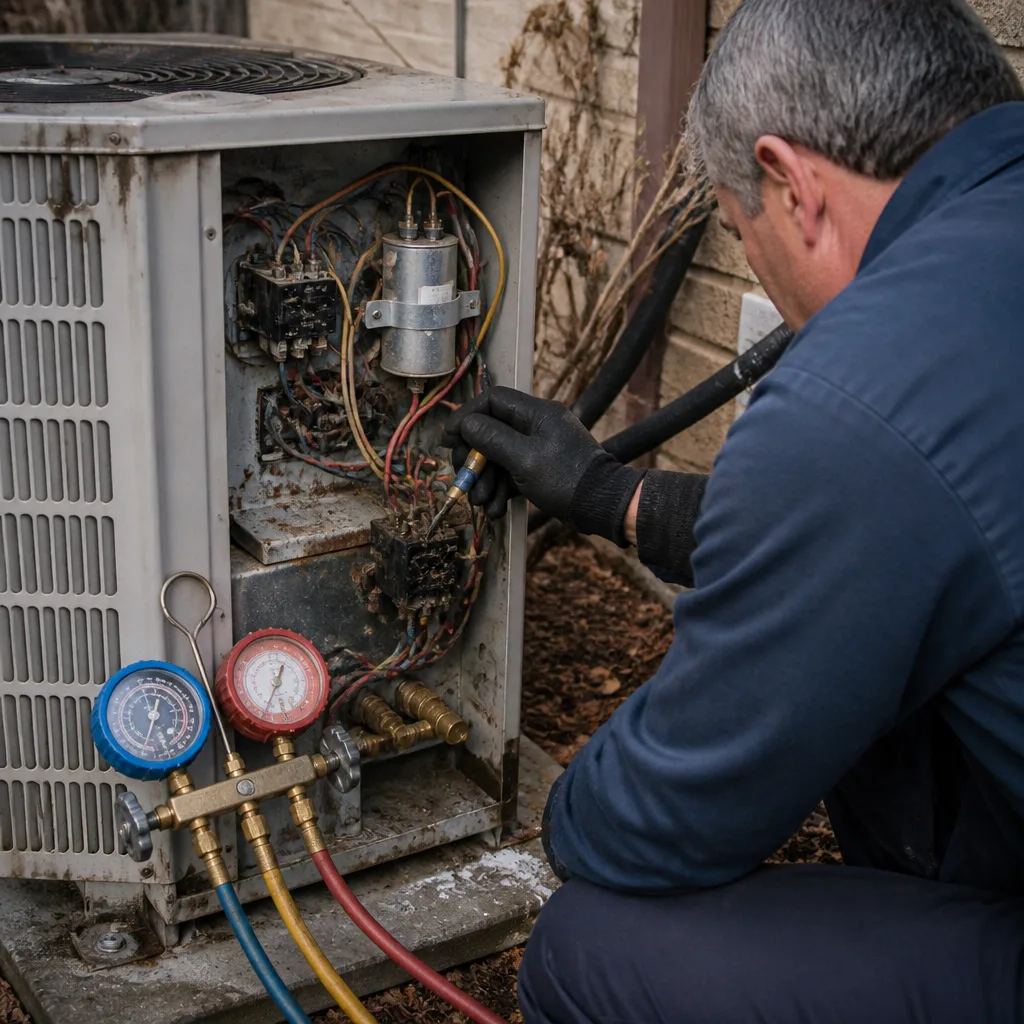
Seasonal tune-up and full diagnostic on your Carrier, Trane, or Goodman system - readings shown to you before any repair is proposed
Diagnosis first, numbers second - you approve the repair price before a single part goes in.
Get your free estimateHVAC Emergency Preparedness Guide for Richardson Homes
Most homeowners treat an HVAC failure as a repair problem. It’s really a timing problem. When an air conditioner quits during a Richardson heat advisory, the dangerous window isn’t the breakdown itself – it’s the stretch between “it stopped working” and “a technician is at the door.” A closed house in a Texas summer can climb into genuinely unsafe territory in a handful of hours, and the small decisions made in that gap determine whether your household rides it out comfortably or ends up with heat illness, water damage, or a repair bill that grew while everyone waited. This guide is about that gap. We’ll walk through what to shut down, what to check, how to protect at-risk family members, how to keep a failing system from taking your ceilings with it, and what to have ready when you call so your problem gets priority. We’re Juniper AC Repair, and this is the part of the conversation most HVAC guides skip entirely.
Quick Answer
If your AC fails in Richardson, the priority order is: cool the people first, then protect the equipment. Move your household to the coolest part of the house or to a neighbor’s home, close blinds and exterior doors, and turn the thermostat to OFF rather than letting a struggling system keep cycling. Call (855) 419-6908 and be ready to describe your system’s brand, age, and exact symptoms so you get the right priority. Don’t open the equipment cabinet, don’t add refrigerant yourself, and don’t ignore water pooling near the air handler – that’s the sign of a secondary problem that causes real damage.
Styles & brands we work with
- AC repair
- Furnace & heating
- Heat pumps
- Ductless mini splits
- Carrier
- Trane
- Goodman
Table of Contents
- The First 30 Minutes: Shutdown and Triage Protocol
- Safe Indoor Temperatures and Who’s At Risk
- Preventing Secondary Water Damage From a Failing System
- What to Have Ready When You Call
- Pre-Season Steps That Prevent Summer Emergencies
- Your Heating System Deserves the Same Prep
- How to Choose the Right Company for the Job
The First 30 Minutes: Shutdown and Triage Protocol
When the AC stops cooling, the instinct is to fiddle with the thermostat – turn it lower, wait a bit, turn it lower again. That makes things worse. A system that’s short-cycling or has a failing compressor will keep trying to run if you leave it in cool mode, building heat and stress in components that are already struggling. The right move is to take the system out of the equation and let it sit while you sort out the household.
Here’s the order we’d walk you through on the phone:
- Set the thermostat to OFF, not to a lower temperature. Off stops the system from attempting to run. A very low setpoint does the opposite – it keeps the equipment cycling.
- Shut off the breaker to the outdoor unit if you suspect a serious fault. If you see tripped breakers inside the panel, leave them tripped and don’t reset them. A tripping breaker is a symptom, and resetting it on a failed compressor can turn a repairable problem into a full replacement. If you’re not comfortable identifying the correct breaker, don’t poke around the electrical panel – call us and we’ll walk you to the right one safely.
- Turn off the fan setting if you’re running it for air movement. A blower running with a failing system can push warm air and, if the coil is frozen, drive moisture into ducts.
- Check the air filter. A badly clogged filter is one of the most common causes of a system that stops cooling. It’s also the one thing a homeowner can safely address in a few minutes.
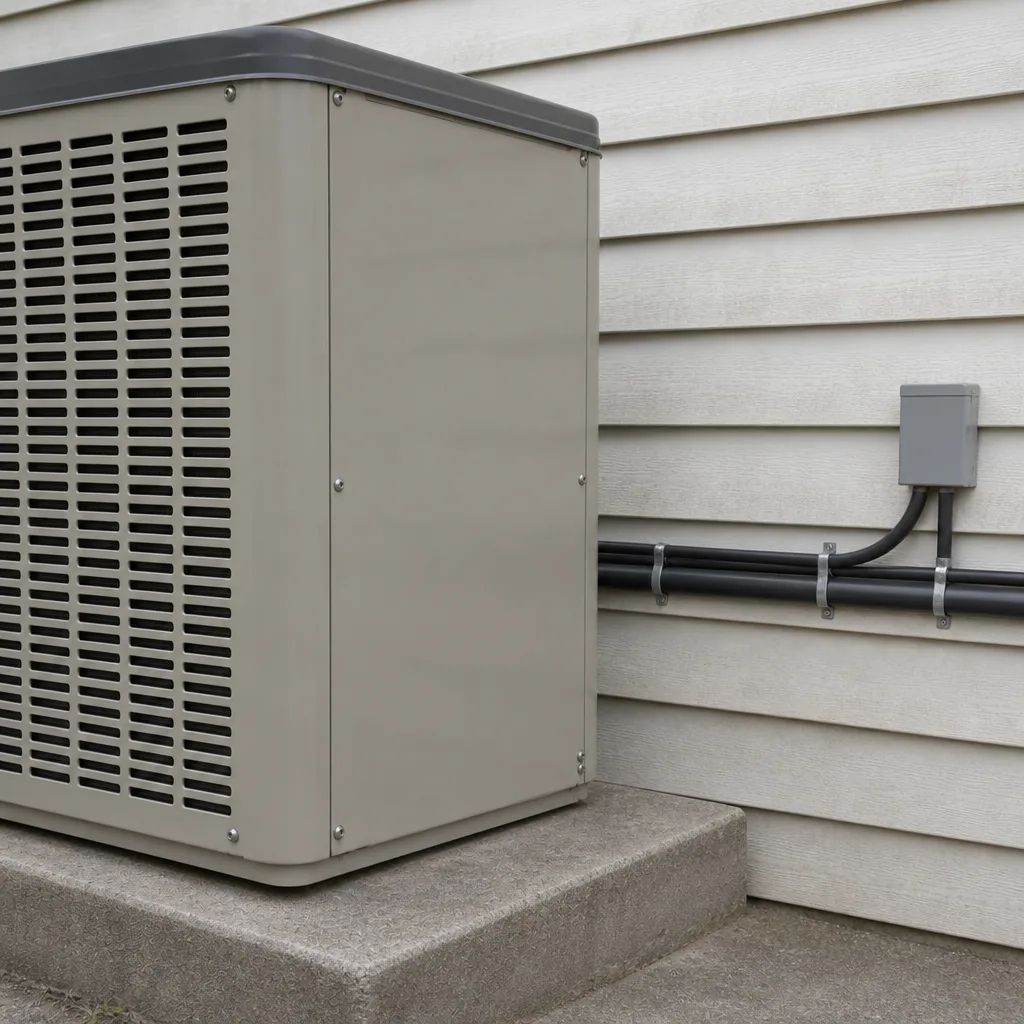
- Look, don’t touch, at the outdoor unit. Clear anything blocking airflow around it, but don’t open the cabinet and don’t try to clean the coil with water while the system is powered.
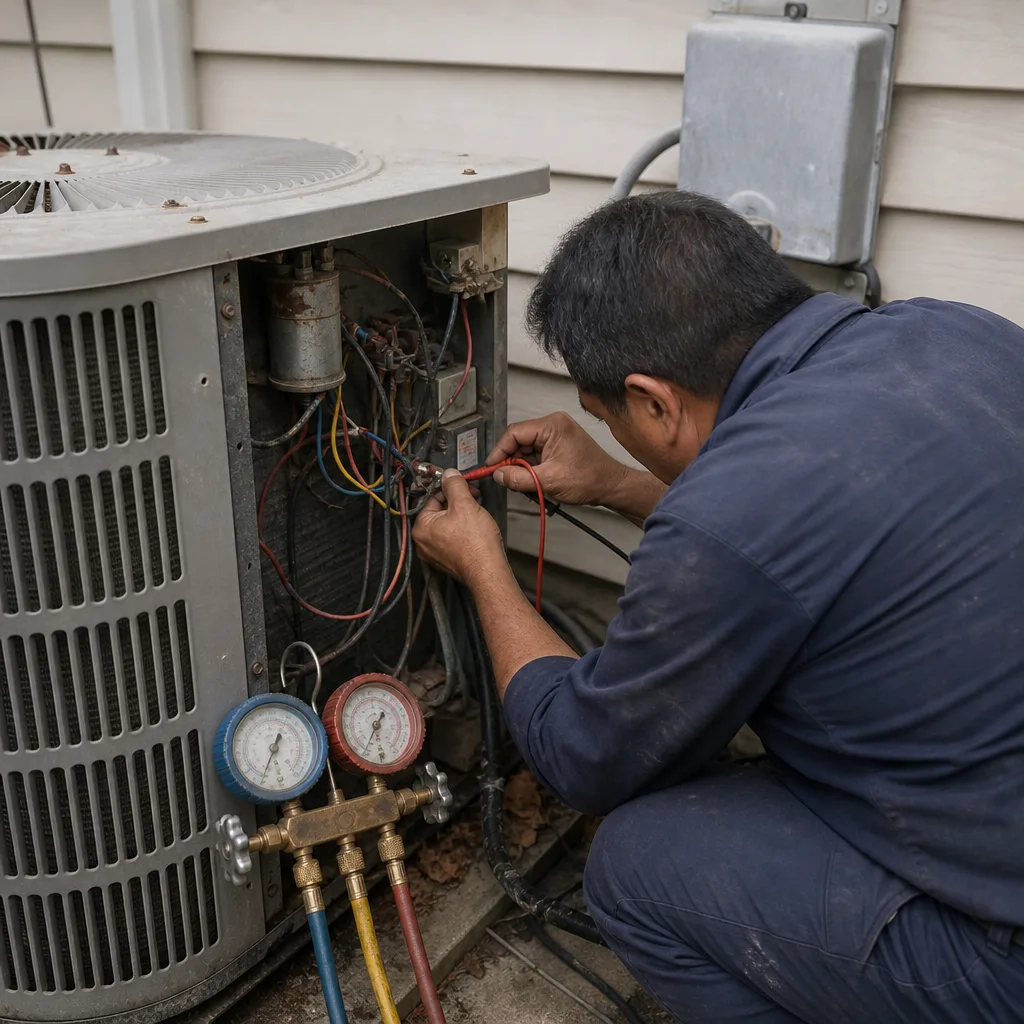
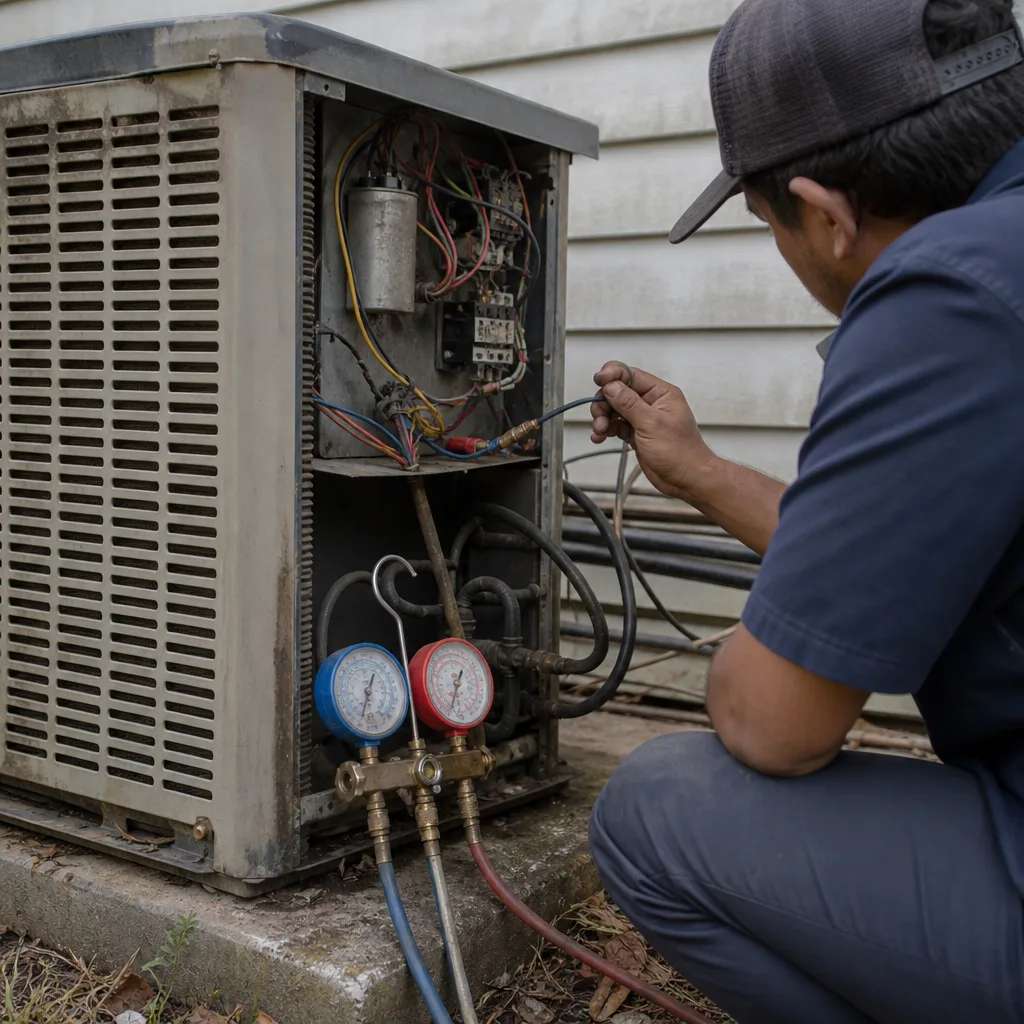
- Don’t add refrigerant or “top off” the system. Refrigerant handling requires trained technicians and proper equipment. You can’t safely or legally do it yourself, and guessing makes the real diagnosis harder.
Once the system is off, the next step is making the house survivable while help is on the way. Close blinds on sun-facing windows, keep exterior doors shut during the heat of the day, and move everyone to the coolest room you have – usually the lowest floor or the north-facing side of the house. If your home has a second story, don’t spend the afternoon up there.
The technician should be able to focus on the equipment, not on the household. That’s the whole point of the shutdown: it protects the system from further damage and gives you a clear head to handle the people part.
Safe Indoor Temperatures and Who’s At Risk
Richardson summers are not gentle. When the system is off during a heat advisory, indoor temperatures in a closed house can climb into dangerous territory surprisingly fast, and the people most at risk aren’t always the ones who feel it first. Heat illness sneaks up on older adults and young children, partly because the body’s early warning signals – thirst, discomfort, feeling overheated – can be blunted or ignored.
Pay the closest attention to these household members:
- Adults over 65, who may not sweat as efficiently and may not notice temperature climbing as quickly as younger adults.
- Infants and children under 5, whose bodies regulate heat differently and who rely on adults to keep them cool.
- Anyone with heart, lung, kidney, or blood pressure conditions, especially if they’re on medications that affect sweating or blood pressure.
- People who work outdoors, who come home already dehydrated and overheated.
- Pets, particularly flat-faced breeds, older animals, and animals kept in rooms without airflow.
If you have anyone in these categories, don’t wait for the repair – get them to a cooler place. A neighbor’s home, a family member’s house, even a library or mall that’s open during the day is a reasonable answer. The repair happens either way; the priority is not letting a bearable hot afternoon turn into an emergency room visit.
For everyone else, a few practical moves help:
- Drink water throughout the day, not just when you feel thirsty.
- Take a cool (not cold) shower or wipe your skin with a damp cloth.
- Avoid using the oven and stove – they’ll add several degrees to a house that’s already warm.
- Use fans for air movement, but only if the windows have cooler air coming in. Once the outdoor temperature climbs past indoor, fans just move warm air around.
- If the temperature inside passes the point where your household is genuinely uncomfortable and it’s still rising, treat it as a reason to relocate, not a reason to tough it out.
One thing to file away: a house that’s been heat-soaked doesn’t cool down the instant the AC comes back on. Once the technician restores your system, don’t set the thermostat lower than normal in hopes of speeding it up. Set it to a reasonable temperature and let the system do its job. It’ll catch up faster than you think.
Preventing Secondary Water Damage From a Failing System
Here’s the part that catches Richardson homeowners off guard: a failing air conditioner can cause damage that has nothing to do with heat. Two common failure patterns leak water into places it should never be, and by the time you notice, the damage is often more expensive to fix than the original problem. If your Carrier, Trane, Lennox, or American Standard system fails, keep an eye on these two:
Frozen Evaporator Coils
When airflow is restricted – a clogged filter is the usual culprit – or when refrigerant is low, the indoor coil can drop below freezing and form a sheet of ice. The problem starts small and grows quietly. If you see frost on the indoor unit or hear ice crackling, turn the system off completely. Don’t try to chip the ice off, and don’t run the system in cooling mode hoping to thaw it – you’ll just add more ice. Leave the fan in ON mode with the thermostat set to off to help circulate room-temperature air, and let it thaw slowly. This is one of those situations where the repair is simple if you catch it, and serious if you ignore it, because a frozen coil can dump water into the air handler and into your ductwork once it starts melting.
Clogged Condensate Drain Lines
Every AC pulls moisture out of the air, and that moisture has to go somewhere. It travels down a drain line – usually PVC – and out of the house. When that line clogs, the water backs up. If you’re lucky, the drain pan catches it and a float switch shuts the system down. If you’re not, the water spills over and starts running into ceilings, walls, and flooring. Check the drain pan periodically and look for standing water or rust streaks around the indoor unit. If you see water pooling, turn the system off at the thermostat and call us. Water damage from a clogged drain line is the kind of thing that costs a lot more than the drain cleaning that would have prevented it.
What to Do Right Now if You See Water
- Turn the system off at the thermostat. Don’t run it in any mode.
- If you can safely reach the breaker for the indoor unit, turn that off too.
- Put towels or a bucket under the leak. If water is coming through a ceiling, don’t press on the ceiling – place a container underneath and pierce a small drain hole only if you’re confident about the damage path. Otherwise, let it drain where it is.
- Call us. Describe exactly where the water is coming from and whether it’s clear or dark.
What to Have Ready When You Call
The difference between getting a fast, accurate diagnosis and spending twenty minutes on the phone gathering information comes down to preparation. When you call an HVAC company during a summer failure, the more specific you are about your system and symptoms, the better the company can prioritize your call, and the more likely the technician arrives with the right parts and information.
Before you pick up the phone, have these ready:
- The brand of your system. Mentioning your system is a Carrier, Trane, Lennox, or American Standard tells us we’re walking in familiar with that equipment.
- The approximate age of the system. If you don’t know exactly, the year you moved in or the year the system was installed is enough.
- The model and serial number, if you can read them off the outdoor unit or the air handler label. Take a photo of the label – it’s faster than squinting at it in the sun.
- The exact symptoms. Is it blowing warm air? Not blowing at all? Making noise? Tripping a breaker? The more specific, the better.
- What you’ve already checked. Tell the dispatcher if you’ve replaced the filter, checked the breaker, or noticed any water.
- The type of thermostat. Programmable, smart, or basic – it matters for the diagnosis.
- Any recent work on the system. If another company worked on it recently, mention that too.
- The people in the household. If anyone is elderly, an infant, or has a medical condition, say so at the start of the call. That’s the kind of information that earns priority.
We answer 24/7. Fast dispatch from 7am to 7pm, Sunday through Friday. A call outside those hours is booked into the next opening – and the more prepared you are when you call, the faster that booking can be.
One more thing that’s easy to forget: know where your thermostat is and how to switch it to OFF. If you haven’t used the thermostat’s off setting since you moved in, find the manual or take a photo of the panel before you need it. That’s a five-minute habit that pays off in a real emergency.
Pre-Season Steps That Prevent Summer Emergencies
The best HVAC emergency is one that never happens. Richardson’s cooling season is long, and the failures we see in July and August are almost always the result of something small that went unattended in April and May. Here’s a pre-season routine we’d recommend to any homeowner in Richardson:
- Change the air filter before the cooling season starts. Then check it monthly during heavy use. A clean filter is the single cheapest thing you can do to extend the life of your system.
- Clear the area around the outdoor unit. Landscaping, debris, and stored items all restrict airflow. Your condenser needs room to breathe.
- Flush the condensate drain line. A cup of plain water poured into the drain trap a couple of times a year keeps it flowing. If you can see standing water in the pan, call a technician before summer.
- Test your thermostat. Turn it off, wait a minute, turn it back on. Verify it’s calling for cooling and that the system responds.
- Check your breaker panel for tripped breakers, and note which breaker feeds your AC. You’ll want to know in a hurry.
- Schedule a professional tune-up before the season starts. A technician can check refrigerant levels, clean the coils, test electrical components, and catch small problems while they’re still small. We offer AC installation and repair, and a pre-season visit is the cheapest hour of HVAC work you’ll ever pay for.
- Write down your system’s model and serial numbers. Tape the info inside a kitchen cabinet or save a photo to your phone. You’ll thank yourself when you’re calling in a pinch.
Our technicians have up to 14 years of experience working on these systems, and they’ll tell you the same thing: nearly every August breakdown we see has a paper trail going back to something that wasn’t done in spring.
Your Heating System Deserves the Same Prep
A lot of HVAC guides treat heating as an afterthought. In Richardson, winters are mild enough that the heating side of a home can sit idle for months – which is exactly why it can fail on the first cold night of the year without much warning. The gap between “furnace won’t fire” and “technician arrives” is shorter than a summer AC failure because the outdoor temperature is less of a danger, but a couple of specific risks are worth preparing for.
The first is the smell of gas or the smell of burning. If you smell gas at any point, get everyone out of the house, don’t flip any switches inside, and call your gas utility from outside. That’s a safety rule that overrides every other consideration in this guide.
The second is a heating system that runs but doesn’t produce heat – a common failure on a system that hasn’t been used since the previous winter. Before the cold season starts, run your furnace for fifteen minutes on a mild afternoon to confirm it fires. If it doesn’t, you’ve got weeks to fix it instead of hours.
If your heating system fails, we handle furnace repair and full furnace replacement, so you don’t need a second call to a different company when the season flips. That’s the reason we cover both sides of the equipment rather than just one.
If you live in one of Richardson’s older neighborhoods – where homes often have original ductwork or a heating system that’s changed hands several times – the pre-season check is even more important, because there’s typically more history to account for. If your heating system is older than you think and you’ve been putting off a replacement decision, that’s a conversation worth having in October, not in January.
Whether you’re calling us about AC in August or heat in January, we’re the Juniper AC Repair team, and the same technicians work across both seasons. That single relationship means the next call is faster because we already know your system.
How to Choose the Right Company for the Job
If you’re reading this guide because you’re facing a failed system right now and you haven’t decided who to call, this section is the one to read closely. A lot of companies can get a technician to your door. Fewer can send someone who already knows your equipment, can explain what they’re doing without upselling, and can handle both your cooling and heating needs without a handoff.
Here’s what to look for:
- Brand familiarity. Ask whether the company is qualified to work on your specific equipment. We’re certified to install and repair nine of the most widely-owned brands, including Carrier, Trane, Lennox, Goodman, Rheem, York, Daikin, Bryant, and American Standard. That matters when you don’t want a generalist figuring it out on-site.
- Both heating and cooling under one name. A company that only handles AC will hand you off when the furnace fails. One that covers both is one relationship, two seasons.
- Written estimates, not verbal ones. The price is set per job by the written estimate. If a company can’t hand you one before the work starts, that’s a red flag.
- Free estimates. We don’t charge one. The estimate is free, and the written price is final – no surprises when the invoice arrives.
- Parts availability across tiers. A company that works across the price spectrum (from value-tier brands like Goodman to premium brands like Trane and Lennox) can recommend equipment that fits your budget instead of pushing a single manufacturer.
- Clear answers to your questions. Ask about warranty terms, about how the work will be scheduled, and about what happens if the first repair doesn’t solve the problem.
You’ll also want to verify state licensing and insurance, which any legitimate HVAC company should be able to confirm on request.
Common Mistakes to Avoid
- Turning the thermostat lower to make the system work harder. If the system isn’t cooling, a lower setpoint doesn’t help – it makes the equipment cycle more. Set it to OFF and let the diagnosis happen.
- Ignoring water pooling near the indoor unit. Water from a clogged drain line or frozen coil can cause damage to ceilings and floors that costs more than the repair itself. Turn it off and call.
- Resetting a tripped breaker on a failed system. A breaker that trips more than once is a symptom, not a fluke. Resetting it repeatedly on a failing compressor can turn a repairable issue into a replacement.
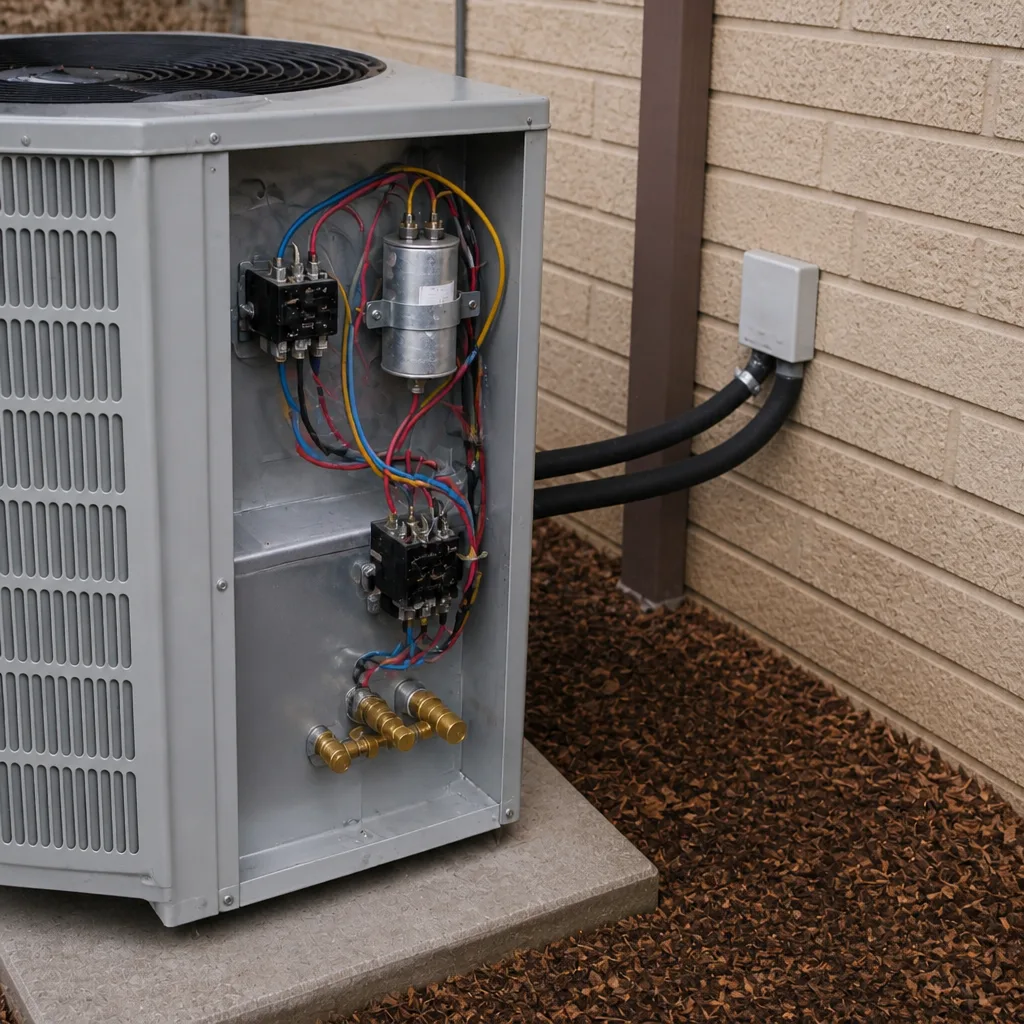
- Opening the outdoor unit cabinet to have a look. The interior of a condenser unit holds high-voltage wiring and refrigerant lines. That’s a job for a trained technician, and the fix isn’t faster because you looked first.
- Waiting until the house is unbearable to call. Heat illness in a closed house during a Richardson heat advisory can develop quickly, especially for older adults and young children. Call early, get priority, and cool the household while help is on the way.
- Letting a small, seasonal nuisance become an August emergency. A filter that wasn’t changed in spring becomes a frozen coil in July. A drain line that wasn’t checked in April becomes a ceiling stain in June. Pre-season prep is the real emergency prevention.
- Calling an AC-only company when the furnace is the problem. If you’re calling in January about a no-heat issue and the company only does cooling, you’ll spend time finding a second call. Check that the company you call handles both.
See the difference
 Before
 After
 Before
 After
 Before
 After
When to Call a Professional
Some HVAC problems are worth waiting out. Others aren’t. Call a professional if any of the following are true: your system isn’t producing cool air, the outdoor or indoor unit is making grinding or screeching sounds, you see water pooling or dripping near the indoor unit, you smell gas, the breaker trips repeatedly, or the system runs but the house never reaches temperature. If you’re unsure, call anyway – the diagnosis is free, and a short conversation with a dispatcher can save you a worse outcome. In a Richardson summer, “wait and see” is a decision, and often not the good one. For heating-side issues, the same rule applies: a furnace that doesn’t fire, smells of gas, or makes unusual noises is a call-a-technician situation. Juniper AC Repair offers free estimates in Richardson – call (855) 419-6908. We answer 24/7, with fast dispatch from 7am to 7pm, Sunday through Friday. A call outside those hours is booked into the next opening.
Frequently Asked Questions
Indoor temperatures in a closed house can climb into dangerous territory within four to six hours during a heat advisory, so the safe answer is “not long enough to gamble on.” Move at-risk household members – older adults, children, anyone with a medical condition – to a cooler space as soon as you know the system is out. Call (855) 419-6908. We answer 24/7. Estimates are free.
Turn the thermostat to OFF, check the air filter, and note any water near the indoor unit. Don’t set the thermostat lower or add refrigerant yourself. Then call (855) 419-6908 with your system’s brand and what you’ve already checked so the technician can arrive prepared.
Have ready: the brand of your system, the approximate age, the model and serial numbers if you can read them, what’s happening (blowing warm air, not running, tripping the breaker), what you’ve already checked, and whether anyone in the house is in an at-risk group. That last detail determines priority. Call (855) 419-6908 – estimates are free.
Frost on the indoor unit or ice crackling near the air handler usually means a frozen coil, while standing water or a wet ceiling near the unit usually means a clogged drain line. Both are reasons to turn the system off and call a technician. Don’t try to thaw the coil with the system running, and don’t ignore water pooling – it’s the fastest way to turn a repair into a renovation. Call (855) 419-6908 for a diagnosis.
No – an HVAC system rarely fixes itself, and waiting in a Richardson summer risks heat illness as well as equipment damage that grows with every attempt to run the system. Turn it off and call. Free estimates. Fast dispatch from 7am to 7pm, Sunday through Friday.
Not if you call us. We cover AC installation, furnace repair, and furnace replacement, so the same relationship handles both seasons. If you’re looking at a Carrier, Trane, Lennox, or American Standard system, we’re qualified on that equipment and comfortable working across value-tier and premium brands. Call (855) 419-6908 – estimates are free.
The Bottom Line
The real emergency in a Richardson HVAC failure isn’t the equipment – it’s the hours before help arrives. Turn the system off, cool the household first, and protect against the two quiet threats that cause the worst damage: frozen coils and clogged drain lines. Prepare a short list of information (brand, age, symptoms, household risk factors) so your call gets priority, and use the mild shoulder seasons to prevent the August emergency before it happens. If you catch yourself in the gap, don’t tough it out – call (855) 419-6908. We answer 24/7, with fast dispatch from 7am to 7pm, Sunday through Friday. A call outside those hours is booked into the next opening. Juniper AC Repair offers free estimates in Richardson, and we’re the one company for every season.
Written by the team at Juniper AC Repair.